LED Light Research

Research on Red & Infrared LED Light—With Sass & Soul
Let’s be real: most scientific abstracts are like those dry, crumbly gluten-free cookies—technically nutritious, but no one actually wants to consume them.
So, I did the heavy lifting for you.
I dug through the mountain of research on red and near-infrared light (we’re talking over 1,000 studies on PubMed covering LEDs, low-level laser therapy (LLLT), and photobiomodulation (PBMT)). Then I handpicked the most potent gems—spanning everything from nerve regeneration to skin repair to trauma recovery.
Every study here is relevant to Thera-Ray LEDs, because their wavelength and output specs match the ones used in the published research. Translation: these aren’t just “in theory” benefits. This is real-deal, peer-reviewed backing for the healing power of these lights.
And because I care about your brain not melting while reading PubMed abstracts, I’ve added sassy summaries to each one—so you can actually understand and enjoy the magic behind the science.
Go ahead, scroll. See what light can really do.
Sassy Summary:
Laser therapy for limpy pups? Turns out it's not woo-woo— it works. In this 6-week study on real dogs with real arthritis (not lab rats in fur costumes), researchers tracked movement with doggy Fitbits to measure changes from low-level laser therapy (aka red/infrared light). The results? Dogs went from “meh” to mobile — step counts nearly quadrupled by week six. Half the dogs even reduced their pain meds. If you’re looking for a natural treatment for canine arthritis, this might just be the best treatment that doesn't come in pill form. Think: canine arthritis pain relief from light, not drugs. Now that’s a glow-up.
Original Abstract:
"Effects of low-level laser therapy on impaired mobility in dogs with naturally occurring osteoarthritis"
Loris Barale, Paolo Monticelli , Chiara Adami
Vet Med Sci. 2023 Mar;9(2):653-659.doi: 10.1002/vms3.997. Epub 2022 Nov 15.
Abstract:
Background: “Osteoarthritis is common in the aging dog and is associated with chronic pain and impaired mobility. The main objective of this study was to determine whether low-level laser therapy (LLLT) would increase physical activity in dogs with osteoarthritis.”
Methods: “Twenty-three dogs with osteoarthritis were instrumented with an accelerometer 48 h before the first LLLT session (baseline), to record daily activity. Each dog underwent six consecutive weekly laser treatments. The scores of the Canine Brief Pain Inventory and the Liverpool Osteoarthritis in Dogs' were recorded for clinical purposes, as a tool to titrate the analgesic therapy of each individual dog, before LLLT (as baseline) and then weekly for 6 weeks.”
Results: “The number of daily activities increased during week 2 (161,674; SD, 103,666) and remained higher than baseline (93,481; SD, 107,878) until week 6 (179,309; SD, 126,044; p less than 0.001). Daily step count increased from week 1 (4472; SD, 3427) compared to baseline (1109; SD, 1061) and remained higher than the baseline until the end of week 6 (8416; SD, 3166; p less than 0.001). Average energy expenditure during the study period was 179 [range, 2-536] kcal/day; there were no statistically significant differences in this variable between weeks of treatment. Systemic analgesics therapy was decreased in 50% of the dogs during the study period.”
Conclusions: “Laser therapy may advance the management of osteoarthritis by increasing the level of activity of dogs, therefore improving their quality of life.”
Keywords: "accelerometry; analgesia; dogs; low-level laser therapy; osteoarthritis."
Sassy Summary:
If your knee feels unstable and your cartilage’s social life is going downhill, this one’s for you. Researchers put red and infrared light therapy (aka photobiomodulation) to the test alongside exercise and found it didn’t just ease pain — it actually improved function and boosted IL-10, a cytokine known for putting inflammation in check. Translation? More strength, less ouch, and better results without surgery. For anyone seeking natural remedies for osteoarthritis or wondering what helps bone-on-bone knee pain without surgery, this may be a future-forward fix worth watching.
Original Abstract:
“Effects of photobiomodulation and a physical exercise program on the expression of inflammatory and cartilage degradation biomarkers and functional capacity in women with knee osteoarthritis: a randomized blinded study”
Patricia Gabrielli Vassão, Ana Carolina Flygare de Souza, Raquel Munhoz da Silveira Campos, Livia Assis Garcia, Helga Tatiana Tucci, Ana Claudia Muniz Renno
Adv Rheumatol. 2021 Oct 16;61(1):62.doi: 10.1186/s42358-021-00220-5.
Abstract:
Background: “The knee osteoarthritis (OA) is a joint disease characterized by degradation of articular cartilage that leads to chronic inflammation. Exercise programs and photobiomodulation (PBM) are capable of modulating the inflammatory process of minimizing functional disability related to knee OA. However, their association on the concentration of biomarkers related to OA development has not been studied yet. The aim of the present study is to investigate the effects of PBM (via cluster) with a physical exercise program in functional capacity, serum inflammatory and cartilage degradation biomarkers in patients with knee OA.”
Methods: “Forty-two patients were randomly allocated in 3 groups: ESP: exercise + sham PBM; EAP: exercise + PBM and CG: control group. Six patients were excluded before finished the experimental period. The analyzed outcomes in baseline and 8-week were: the Western Ontario and McMaster Universities Osteoarthritis (WOMAC) and the evaluation of serum biomarkers concentration (IL-1β, IL-6, IL-8, IL-10 e TNF-α, and CTX-II).”
Results: “An increase in the functional capacity was observed in the WOMAC total score for both treated groups (p less than 0.001) and ESP presents a lower value compared to CG (p less than 0.05) the 8-week post-treatment. In addition, there was a significant increase in IL-10 concentration of EAP (p less than 0.05) and higher value compared to CG (p less than 0.001) the 8-week post-treatment. Moreover, an increase in IL-1β concentration was observed for CG (p less than 0.05). No other difference was observed comparing the other groups.”
Conclusion: “Our data suggest that the physical exercise therapy could be a strategy for increasing functional capacity and in association with PBM for increasing IL-10 levels in OA knee individuals.”
Trial registration: “ReBEC (RBR-7t6nzr).”
Keywords: “Biomarkers; Cytokines; Inflammation; Knee osteoarthritis; Photobiomodulation.”
Sassy Summary:
Looking for the best therapy for autism that doesn’t involve a prescription pad and 15 specialists talking in circles? One holistic treatment for autism that’s showing real promise is low-level laser therapy — aka red and infrared light beamed gently into the brain's command center.
In a 2018 double-blind study on kids aged 5–17, the researchers used 5-minute light treatments twice a week for a month, administrating autism spectrum therapies. The results? Major drops in irritability, agitation, and social withdrawal — with improvements lasting well past the final session. The test group had a whopping 15-point drop on the irritability scale compared to placebo (F=99.34, p<0.0001). That’s not placebo fluff — that’s statistically bulletproof.
If you're exploring natural therapy for autism that don’t involve endless meds, this study brings a ray of literal light to the conversation.
Original Abstract:
"Effects of Low-Level Laser Therapy in Autism Spectrum Disorder"
Gerry Leisman, Calixto Machado, Yanin Machado, Mauricio Chinchilla-Acosta
Adv Exp Med Biol. 2018;1116:111-130.doi: 10.1007/5584_2018_234.
Abstract:
“The study examined the efficacy of low-level laser therapy, a form of photobiomodulation, for the treatment of irritability associated with autistic spectrum disorder in children and adolescents aged 5-17 years. Twenty-one of the 40 participants received eight 5-min procedures administered to the base of the skull and temporal areas across a 4-week period (test, i.e., active treatment participants). All the participants were evaluated with the Aberrant Behavior Checklist (ABC), with the global scale and five subscales (irritability/agitation, lethargy/social withdrawal, stereotypic behavior, hyperactivity/noncompliance, and inappropriate speech), and the Clinical Global Impressions (CGI) Scale including a severity-of-illness scale (CGI-S) and a global improvement/change scale (CGI-C). The evaluation took place at baseline, week 2 (interim), week 4 (endpoint), and week 8 (post-procedure) of the study. The adjusted mean difference in the baseline to study endpoint change in the ABC irritability subscale score between test and placebo participants was -15.17 in favor of the test procedure group. ANCOVA analysis found this difference to be statistically significant (F = 99.34, p less than 0.0001) compared to the baseline ABC irritability subscale score. The study found that low-level laser therapy could be an effective tool for reducing irritability and other symptoms and behaviors associated with the autistic spectrum disorder in children and adolescents, with positive changes maintained and augmented over time.”
Keywords: "Autism spectrum disorder; Brain; Clinical trial; Low-level laser therapy; Neuronal networks; Photobiomodulation."
Sassy Summary:
Nurses are superheroes… with super sore backs. Low back pain in nurses is practically a job hazard at this point — and with half of them reporting it, you’d think there’d be better solutions by now. This double-blind, placebo-controlled study tested light-emitting diode (LED) photobiomodulation therapy on 148 overworked nurses with chronic low back pain. Some got real LED treatments three times a week for two weeks. Others got sham sessions.
The verdict? Game-changer. Pain levels dropped. Chair-rise tests got faster. Fatigue and fear-of-movement scores improved. All without drugs, downtime, or side effects.
So, if you’re researching legit nursing interventions for chronic pain, this LED study deserves a gold star.
Original Abstract:
"Light-emitting diode photobiomodulation therapy for non-specific low back pain in working nurses: A single-center, double-blind, prospective, randomized controlled trial"
Yen-Po Lin, Ying-Hao Su, Shih-Fang Chin, Yu-Ching Chou, Wei-Tso Chia
Medicine (Baltimore). 2020 Aug 7;99(32):e21611.doi: 10.1097/MD.0000000000021611.
Abstract:
Background: “Low back pain (LBP) affects approximately 51% to 57% of hospital nurses and nurses' aides in Europe. New high-risk groups include home- and long-term-care nurses and physiotherapists. A number of European countries are experiencing a shortage of healthcare workers. Light therapy has been shown to be an effective treatment for various musculoskeletal disorders, including lateral epicondylitis, temporomandibular joint pain, carpal tunnel syndrome, and delayed-onset muscle soreness. A systematic review and meta-analysis demonstrated that low-level laser therapy is an effective method for relieving non-specific chronic low back pain (NSCLBP). However, the efficacy of light-emitting diode (LED) therapy for NSCLBP is disputed. This study aims to evaluate the effect of LED therapy on NSCLBP.”
Methods and analysis: “We conducted a prospective, double-blind, randomized placebo-controlled trial of 148 patients with NSCLBP. The patients were randomly assigned to 2 groups: intervention group, where patients received LED photobiomodulation therapy 3 times a week for 2 weeks, and the sham group, where patients had sham therapy 3 times a week for 2 weeks. Primary outcome measures included the visual analog scale for pain, lumbar active range of motion assessments, and chair-rising times. Secondary outcome measures included a multidimensional fatigue inventory, fear-avoidance beliefs questionnaire, and the Oswestry disability index. The outcome measures were assessed before therapy and 2 weeks, 4 weeks, 8 weeks, 12 weeks, and 6 months after the first interventions were completed.”
Discussion: “This study is a prospective, single-center, double-blind, randomized, controlled study. This study aims to research the efficacy of a 2-week LED program for NSCLBP working nurse. Our results will be useful for patients, working nurses, nurses' aides, and other healthcare workers with chronic low back pain.”
Sassy Summary:
Looking for the best natural antibiotics to help with an infection—especially one that’s not healing? It turns out that light itself might be one of the most powerful tools we’ve got. Recent studies show that laser wound healing is real science, not woo-woo. When used at the right strength, red and infrared laser light can slow down—or even stop—the growth of stubborn bacteria like Staph, E. coli, and Pseudomonas (the bad guys often found in cuts, skin ulcers, and surgical wounds). Think of it like this: the laser doesn’t burn them, it messes with how they grow and divide. But here’s the twist—if the laser dose is too weak, some bacteria can actually grow faster. That’s why it’s crucial to get the settings right. And it’s not just about bacteria—lasers may even help shut down viruses by blocking how they copy themselves inside your cells. So if you're wondering what are natural antibiotics that actually work, light therapy might just be one of the smartest answers—no natural antibiotic pills required.
Original Abstract:
"The role of reactive oxygen species in the antibacterial photodynamic treatment: photoinactivation vs proliferation"
N Topaloglu, M Guney, N Aysan, M Gulsoy, S Yuksel
Lett Appl Microbiol. 2016 Mar;62(3):230-6.doi: 10.1111/lam.12538. Epub 2016 Feb
Abstract:
“Low-level light/low concentration of reactive oxygen species (ROS) may trigger some biochemical pathways that lead to cell proliferation. Thus, there is a risk of stimulation of bacterial cell proliferation during photodynamic therapy (PDT). In this study, PDT with different doses of 809-nm laser and indocyanine green (ICG) was investigated in vitro for safe bactericidal application. The combined effect of laser doses with ICG concentrations were examined on Pseudomonas aeruginosa in vitro. Data showed that low energy dose and ICG concentration caused bacterial cell proliferation. When these parameters were increased high enough, photoinactivation of the bacteria was achieved. Energy dose and photosensitizer concentration ranges at which proliferation, cell death or neither observed were determined. Furthermore, l-histidine was used as a scavenger of ROS to block the mechanism of biostimulation and cell killing. It inhibited proliferation when laser dose and ICG concentrations were low. It also inhibited cell killing when dose and concentration were high. Data showed that mechanisms of proliferation and cell killing depend on the amount of ROS and antibacterial photodynamic treatment have serious biostimulative risk. Effective range might need to be determined before any therapeutic usage. The risk seems to exist specifically at lower energy doses and photosensitizer concentrations.”
Significance and impact of the study: “The main purpose in antibacterial photodynamic therapy (PDT) is to kill the micro-organisms that cannot be destroyed by conventional methods. Low-level light and/or low concentration of reactive oxygen species may trigger some biochemical pathways that lead to cell proliferation. Thus, there is a risk of bacterial cell proliferation during PDT. In this study we report that PDT with ICG application can induce biostimulation when laser dose and photosensitizer concentration are not optimized properly. Therefore, optimum dosimetry in PDT possesses great importance in the treatment of wounds infected by antibiotic-resistant bacteria.”
Keywords: "809-nm diode laser; Gram-negative bacteria; antibacterial treatment; indocyanine green; photoinactivation; proliferation."
Another abstract on this topic:
"Red and infrared laser therapy inhibits in vitro growth of major bacterial species that commonly colonize skin ulcers" Natanael Teixeira Alves de Sousa, Rosana Caetano Gomes, Marcos Ferracioli Santos, Hugo Evangelista Brandino, Roberto Martinez, Rinaldo Roberto de Jesus Guirro
Lasers Med Sci. 2016 Apr;31(3):549-56. doi: 10.1007/s10103-016-1907-x. Epub 2016 Feb 17.
Abstract:
“Low-level laser therapy (LLLT) is used in chronic wounds due to its healing effects. However, bacterial species may colonize these wounds and the optimal parameters for effective bacterial inhibition are not clear. The aim of this study was to analyze the effect of LLLT on bacterial growth in vitro. Bacterial strains including Staphylococcus aureus, Escherichia coli, and Pseudomonas aeruginosa were suspended in saline solution at a concentration of 10(3) cells/ml and exposed to laser irradiation at wavelengths of 660, 830, and 904 nm at fluences of 0 (control), 3, 6, 12, 18, and 24 J/cm(2). An aliquot of the irradiated suspension was spread on the surface of petri plates and incubated at 37 °C for quantification of colony-forming unit after 24, 48, and 72 h. Laser irradiation inhibited the growth of S. aureus at all wavelengths and fluences higher than 12 J/cm(2), showing a strong correlation between increase in fluence and bacterial inhibition. However, for P. aeruginosa, LLLT inhibited growth at all wavelengths only at a fluence of 24 J/cm(2). E. coli had similar growth inhibition at a wavelength of 830 nm at fluences of 3, 6, 12, and 24 J/cm(2). At wavelengths of 660 and 904 nm, growth inhibition was only observed at fluences of 12 and 18 J/cm(2), respectively. LLLT inhibited bacterial growth at all wavelengths, for a maximum of 72 h after irradiation, indicating a correlation between bacterial species, fluence, and wavelength.”
Another abstract on this topic:
"Ultrashort pulsed laser treatment inactivates viruses by inhibiting viral replication and transcription in the host nucleus"
Shaw-Wei D Tsen , Travis Chapa, Wandy Beatty , Baogang Xu , Kong-Thon Tsen, Samuel Achilefu
Antiviral Res. 2014 Oct;110:70-6.doi: 10.1016/j.antiviral.2014.07.012. Epub 2014 Jul 30.
Abstract:
“Ultrashort pulsed laser irradiation is a new method for virus reduction in pharmaceuticals and blood products. Current evidence suggests that ultrashort pulsed laser irradiation inactivates viruses through an impulsive stimulated Raman scattering process, resulting in aggregation of viral capsid proteins. However, the specific functional defect(s) in viruses inactivated in this manner have not been demonstrated. This information is critical for the optimization and the extension of this treatment platform to other applications. Toward this goal, we investigated whether viral internalization, replication, or gene expression in cells were altered by ultrashort pulsed laser irradiation. Murine Cytomegalovirus (MCMV), an enveloped DNA virus, was used as a model virus. Using electron and fluorescence microscopy, we found that laser-treated MCMV virions successfully internalized in cells, as evidenced by the detection of intracellular virions, which was confirmed by the detection of intracellular viral DNA via PCR. Although the viral DNA itself remained polymerase-amplifiable after laser treatment, no viral replication or gene expression was observed in cells infected with laser-treated virus. These results, along with evidence from previous studies, support a model whereby the laser treatment stabilizes the capsid, which inhibits capsid uncoating within cells. By targeting the mechanical properties of viral capsids, ultrashort pulsed laser treatment represents a unique potential strategy to overcome viral mutational escape, with implications for combatting emerging or drug-resistant pathogens.”
Keywords: "Murine cytomegalovirus; Pathogen inactivation; Pathogen reduction; Ultrashort pulsed lasers."
Sassy Summary:
Forget mystery gadgets and sketchy internet hacks—this study shows that low-level laser therapy (LLLT) may actually beat out electrical stimulation when it comes to facial paralysis therapy in people with Bell’s Palsy. In a randomized trial using paralysis facial treatment with 45 patients, three groups were compared: one got laser therapy, one received electrical stimulation, and one stuck with the usual suspects—medication, massage, and facial exercises. The winner? Laser therapy. Big time.
Participants in the laser group saw faster nerve conduction, better facial movement, and stronger signs of actual nerve healing (not just symptom relief). So, if you’ve been looking for a facial paralysis treatment at home, use laser as a bell’s palsy medical devices with no-drug option backed by science. This could be one of the most promising, non-invasive options out there.
Original Abstract:
"A Study on the Effect of 850 nm Low-Level Diode Laser versus Electrical Stimulation in Facial Nerve Regeneration for Patients with Bell's Palsy"
Ahmed Shoman, Ashraf Hassan, Ahmed Kassab
ORL J Otorhinolaryngol Relat Spec. 2022;84(5):370-377.doi: 10.1159/000521789. Epub 2022 Mar 8.
Abstract:
Introduction: “Bell's palsy is acute facial paralysis with unclear etiology that results in weakness of facial muscles or paralysis on one side of the face.”
Methods: “This prospective, randomized, single-blind, controlled study was conducted on 45 patients with Bell's palsy who were randomly divided into three equal groups. Two groups received either low-level laser therapy (LLLT) or electrical stimulation (E.S.) both in conjunction to medications, massage, and facial exercise treatment. The third group (control) was treated with medication, massage, and facial exercise.”
Results: “The primary outcome was the improvement of nerve conduction velocity of facial nerve while the secondary outcome was the change of Sunnybrook facial grading system (SBGS). The outcome measures were evaluated pre- and posttreatment. There was statistically significant difference between the three groups in favor of the LLLT group regarding the nerve action potential amplitude and latency, in addition to signs of nerve regeneration and improved SBGS.”
Conclusion: “This short-term investigation revealed that LLLT proved to be more efficient than E.S. in facial nerve regeneration for patients with Bell's palsy.”
Keywords: "Bell’s palsy; Electrical stimulation; Facial nerve; Laser; Low-level laser."
Sassy Summary:
If you’re trying to figure out how to promote bone healing—especially after injury, surgery, or dealing with degenerative changes of the spine—here’s a wild but well-researched option: low-level laser therapy (LLLT). Two major studies found that specific laser wavelengths (like Er:YAG and infrared red light) actually trigger osteoblasts—your bone-building cells—to multiply and mature. Translation? More bone repair, faster. One study even showed that lasers activate the ERK signaling pathway (aka the biochemical "go" button for healing), without causing cellular damage. Bonus: even LEDs showed promise for supporting the kind of cellular activity linked to reversing bone diseases and disorders. While this tech still needs some standardization, the science says targeted light can help bones regenerate—not just slowly mend. Laser light isn't just for wrinkles anymore—your spine and skeleton might want a dose, too.
Original Abstract:
"Low-level Er:YAG laser irradiation enhances osteoblast proliferation through activation of MAPK/ERK"
Verica Aleksic, Akira Aoki, Kengo Iwasaki, Aristeo Atsushi Takasaki, Chen-Ying Wang, Yoshimitsu Abiko, Isao Ishikawa, Yuichi Izumi
Lasers Med Sci. 2010 Jul;25(4):559-69.doi: 10.1007/s10103-010-0761-5. Epub 2010 Feb 26.
Abstract:
“Although the use of high-level Er:YAG laser irradiation has been increasing in periodontal and peri-implant therapy, the effects of low-level Er:YAG laser on surrounding tissues and cells remain unclear. In the present study, the effects of low-level Er:YAG laser irradiation on osteoblast proliferation were investigated. Cells of the osteoblastic cell line MC3T3-E1 were treated with low-level Er:YAG laser irradiation with various combinations of laser settings (fluence 0.7-17.2 J/cm(2)) and in the absence or presence of culture medium during irradiation. On day 1 and/or day 3, cell proliferation and death were determined by cell counting and by measurement of lactate dehydrogenase (LDH) levels. Further, the role of mitogen-activated protein kinase (MAPK) pathways in laser-enhanced cell proliferation was investigated by inhibiting the MAPK pathways and then measuring MAPK phosphorylation by Western blotting. Higher proliferation rates were found with various combinations of irradiation parameters on days 1 and 3. Significantly higher proliferation was also observed in laser-irradiated MC3T3-E1 cells at a fluence of approximately 1.0-15.1 J/cm(2), whereas no increase in LDH activity was observed. Further, low-level Er:YAG irradiation induced the phosphorylation of extracellular signal-regulated protein kinase (MAPK/ERK) 5 to 30 min after irradiation. Although MAPK/ERK 1/2 inhibitor U0126 significantly inhibited laser-enhanced cell proliferation, activation of stress-activated protein kinases/Jun N-terminal kinase (SAPK/JNK) and p38 MAPK was not clearly detected. These results suggest that low-level Er:YAG laser irradiation increases osteoblast proliferation mainly by activation of MAPK/ERK, suggesting that the Er:YAG laser may be able to promote bone healing following periodontal and peri-implant therapy.”
Another abstract on this topic:
"Low intensity lasers differently induce primary human osteoblast proliferation and differentiation"
Flávia A Oliveira, Adriana A Matos, Mariana R Santesso, Cintia K Tokuhara, Aline L Leite, Vanderley S Bagnato, Maria A A M Machado, Camila Peres-Buzalaf, Rodrigo C Oliveira
J Photochem Photobiol B. 2016 Oct;163:14-21. doi: 10.1016/j.jphotobiol.2016.08.006.Epub 2016 Aug 6.
Abstract: “Among various compounds used in research and clinic for degenerative bone diseases, low level laser therapy (LLLT), comprising low level lasers (LLL) and light emitting diodes (LEDs), has been investigated regarding its effects on bone metabolism. They have specific wavelengths but in general act as a cellular biomodulator, and as a therapeutic agent, rebalancing and normalizing their activity. However, they are not standardized yet, since their parameters of use are relevant for the effects and mechanisms of action. Therefore, the aim of this study was to compare the influence of two spectrums of LLL and LED phototherapy, at the same energy densities (10 and 50J/cm(2)), on human osteoblasts proliferation and differentiation. The involvement of ERK signaling on proliferation was also investigated by evaluating its activation during proliferation under different phototherapies by western blotting and CFSE-based osteoblast proliferation was measured in a presence or absence of the ERK-specific inhibitor. Osteogenic differentiation was evaluated through in vitro mineralization and gene expression of type I collagen (COL1A1) and osteonectin (SPARC) by Real Time- PCR. Increases in viable cells and proliferation were obtained after irradiation, regardless of LLLT type. However, only red at 10J/cm(2) and infrared at both doses, but not LED, induced ERK1/2 activation. In the presence of ERK inhibitor, the LLL-induced proliferation was prevented. In addition, while COL1A1 gene expression was upregulated by red laser, SPARC does so by infrared stimulation. However, LED, at both doses, increased both COL1A1 and SPARC expression. All LLLT increased mineralization, dependent on the dose and time. Thus, LLL and LED differently modulated the metabolism of human osteoblasts, increasing proliferation by mechanism dependent or not of ERK signaling activation and osteogenic differentiation markers.”
Keywords: "ERK; Human osteoblasts; LED; LLL; LLLT; Phototherapy."
Sassy Summary:
Let’s get real—traumatic brain injury therapy is no walk in the park. But science is finally catching up with what survivors have known all along: recovery takes more than rest and a lucky break. Enter red light therapy—a nerdy-sounding but surprisingly badass contender in the world of traumatic brain injury rehabilitation. This light-based tech, also called photobiomodulation, is being studied for its ability to literally shine healing energy into your noggin, helping with inflammation, circulation, and cell repair.
Sound futuristic? It is. But it’s also proving to be one of the more exciting traumatic brain injury therapies available. For those clawing their way through the fog of a brain injury, adding red light to a solid traumatic brain injury recovery plan might just be the glow-up your nervous system didn’t know it needed. Bottom line? If you're looking into traumatic brain injury and rehabilitation, this weird little beam of light deserves a second look.
Original Abstract:
"Shining light on the head: Photobiomodulation for brain disorders"
Michael R Hamblin
BBA Clin. 2016 Oct 1;6:113-124.doi: 10.1016/j.bbacli.2016.09.002.eCollection 2016 Dec
Abstract:
“Photobiomodulation (PBM) describes the use of red or near-infrared light to stimulate, heal, regenerate, and protect tissue that has either been injured, is degenerating, or else is at risk of dying. One of the organ systems of the human body that is most necessary to life, and whose optimum functioning is most worried about by humankind in general, is the brain. The brain suffers from many different disorders that can be classified into three broad groupings: traumatic events (stroke, traumatic brain injury, and global ischemia), degenerative diseases (dementia, Alzheimer's and Parkinson's), and psychiatric disorders (depression, anxiety, post-traumatic stress disorder). There is some evidence that all these seemingly diverse conditions can be beneficially affected by applying light to the head. There is even the possibility that PBM could be used for cognitive enhancement in normal healthy people. In this transcranial PBM (tPBM) application, near-infrared (NIR) light is often applied to the forehead because of the better penetration (no hair, longer wavelength). Some workers have used lasers, but recently the introduction of inexpensive light emitting diode (LED) arrays has allowed the development of light emitting helmets or "brain caps". This review will cover the mechanisms of action of photobiomodulation to the brain, and summarize some of the key pre-clinical studies and clinical trials that have been undertaken for diverse brain disorders.”
Keywords: "Alzheimer's disease; Cognitive enhancement; Ischemic stroke; Low level laser (light) therapy; Major depression; Parkinson's disease; Photobiomodulation; Traumatic brain injury."
Sassy Summary:
If your ears are screaming but your hearing test says “all clear,” you’re not crazy—and you’re not out of options. A 2022 study looked at infrared and red light therapy for tinnitus (aka photobiomodulation) in folks who had chronic tinnitus without hearing loss. Researchers gave one group 12 sessions of low-level laser therapy using red and infrared light, while another got a placebo. Both groups felt better—but the laser crew reported a noticeably bigger drop in their tinnitus misery.
No magic bullet here, but this points to tinnitus natural treatment alternatives that are actually backed by data. It adds weight to the growing interest in natural remedies for tinnitus that go beyond pills or “just live with it” advice. The takeaway? If you're exploring alternative remedies for tinnitus, red and infrared light might be worth a look—especially if your ENT shrugs and says you're fine.
Original Abstract:
"The effects of photobiomodulation therapy in individuals with tinnitus and without hearing loss"
Mirele Regina Silva, Amanda Rodrigues Scheffer, Roberto Sávio de Assunção Bastos, Maria Cristina Chavantes, Maria Fernanda Capoani Garcia Mondelli
Lasers Med Sci. 2022 Dec;37(9):3485-3494. doi: 10.1007/s10103-022-03614-z. Epub 2022 Aug 10.
Abstract:
“To verify the effect of photobiomodulation therapy (PBMT) in individuals with chronic tinnitus without hearing loss, 20 patients who met the inclusion criteria were randomly divided into group 1: active low-level laser (LLL) and group 2: equipment without laser (placebo). Upon anamnesis, data collection, and audiological exams, the Tinnitus Handicap Inventory (THI) and the Visual-Analog Scale (EVA) were applied to measure the level of discomfort with tinnitus and the level of discomfort before and after laser treatment. The protocol used included 12 active LLL sessions for group 1 and not active for group 2, varying red and infrared wavelengths. There was a reduction in the disadvantage of individuals with tinnitus after the intervention and between the initial and final sessions, regardless of the intervention, although group 1 showed a greater reduction than group 2, regardless of point in time of assessment and number of session. There was no statistical difference as to group and point in time for the high-frequency audiometry and acuphenometry outcomes. Individuals with chronic tinnitus reduced the complaint, regardless of point in time and group of intervention; however, the group that received PBMT improved the level of satisfaction, regardless of point in time of assessment and number of session.”
Keywords: "Low-level laser; Normal hearing; Photobiomodulation therapy; Tinnitus."
Sassy Summary:
If you’re over the numb fingers, aching wrists, and that awkward nighttime hand-tingle, this is your sign to skip the splints and consider light therapy as home remedies for carpal tunnel syndrome that actually works. Two clinical studies looked at low-level laser therapy (LLLT) for people with mild to moderate CTS—and the results? Solid.
A 2016 meta-analysis crunched data from seven randomized trials and found that LLLT significantly improved grip strength, pain levels, and nerve function. Even 12 weeks after treatment, patients still felt better. That’s the kind of home therapy for carpal tunnel syndrome most people are dreaming of.
Another double-blind trial followed 66 CTS patients and showed that 15 sessions of targeted laser therapy (no drugs, no cutting) led to measurable improvements in grip strength and nerve conductivity. The placebo group? Not so much.
So, if you're hunting for natural relief for carpal tunnel syndrome, the science is officially leaning toward light. Laser light.
Original Abstract:
"Meta-analysis demonstrated that low-level laser improved hand grip, pain, and sensory nerve function. Effectiveness of low-level laser on carpal tunnel syndrome: A meta-analysis of previously reported randomized trials"
Zhi-Jun Li , Yao Wang, Hua-Feng Zhang, Xin-Long Ma, Peng Tian, Yuting Huang
Medicine (Baltimore). 2016 Aug;95(31):e4424.doi: 10.1097/MD.0000000000004424.
Abstract:
Background: "Low-level laser therapy (LLLT) has been applied in the treatment of carpal tunnel syndrome (CTS) for an extended period of time without definitive consensus on its effectiveness. This meta-analysis was conducted to evaluate the effectiveness of low-level laser in the treatment of mild to moderate CTS using a Cochrane systematic review."
Methods: “We conducted electronic searches of PubMed (1966-2015.10), Medline (1966-2015.10), Embase (1980-2015.10), and ScienceDirect (1985-2015.10), using the terms "carpal tunnel syndrome" and "laser" according to the Cochrane Collaboration guidelines. Relevant journals or conference proceedings were searched manually to identify studies that might have been missed in the database search. Only randomized clinical trials were included, and the quality assessments were performed according to the Cochrane systematic review method. The data extraction and analyses from the included studies were conducted independently by 2 reviewers. The results were expressed as the mean difference (MD) with 95% confidence intervals (CI) for the continuous outcomes.”
Results: "Seven randomized clinical trials met the inclusion criteria; there were 270 wrists in the laser group and 261 wrists in the control group. High heterogeneity existed when the analysis was conducted. Hand grip (at 12 weeks) was stronger in the LLLT group than in the control group (MD = 2.04; 95% CI: 0.08-3.99; P = 0.04; I = 62%), and there was better improvement in the visual analog scale (VAS) (at 12 weeks) in the LLLT group (MD = 0.97; 95% CI: 0.84-1.11; P less than 0.01; I = 0%). The sensory nerve action potential (SNAP) (at 12 weeks) was better in the LLLT group (MD = 1.08; 95% CI: 0.44-1.73; P = 0.001; I = 0%). However, 1 included study was weighted at greater than 95% in the calculation of these 3 parameters. There were no statistically significant differences in the other parameters between the 2 groups.”
Conclusion: “This study revealed that low-level laser improve hand grip, VAS, and SNAP after 3 months of follow-up for mild to moderate CTS. More high-quality studies using the same laser intervention protocol are needed to confirm the effects of low-level laser in the treatment of CTS.”
Another abstract on this topic:
"Low-level laser therapy with a wrist splint to treat carpal tunnel syndrome: a double-blinded randomized controlled trial"
Yupadee Fusakul, Thanyaporn Aranyavalai, Phongphitch Saensri, Satit Thiengwittayaporn
Lasers Med Sci. 2014 May;29(3):1279-87.doi: 10.1007/s10103-014-1527-2. Epub 2014 Jan 30
Abstract: “The efficacy of low-level laser therapy (LLLT) was evaluated in a total of 66 patients with mild to moderate carpal tunnel syndrome (CTS) with a double-blinded randomized controlled study. The patients were randomly assigned into two groups. Group I received 15 sessions of a gallium-aluminum-arsenide laser treatment at a dosage of 18 J per session over the carpal tunnel area with neutral wrist splint. Group II received placebo laser therapy with neutral wrist splint. The patients were evaluated with the following parameters: (1) clinical parameters which consisted of visual analog scale, symptom severity scale, functional status scale, and pinch strength and grip strength before the treatment and at 5- and 12-week follow-ups and (2) electroneurophysiological parameters from nerve conduction study which were evaluated before the treatment and at 12-week follow-up. Fifty-nine patients (112 hands: unilateral CTS = 6 hands and bilateral CTS = 106 hands) completed the study. Both groups I and II had n = 56 hands. Improvements were significantly more pronounced in the LLLT-treated group than the placebo group especially for grip strength at 5- and 12-week follow-ups. At 12-week follow-up, distal motor latency of the median nerve was significantly improved in the LLLT group than the placebo group (p less than 0.05). LLLT therapy, as an alternative for a conservative treatment, is effective for treating mild to moderate CTS patients. It can improve hand grip strength and electroneurophysiological parameter with a carry-over effect up to 3 months after treatment for grip strength of the affected hands.”
Sassy Summary:
Dealing with diabetic foot ulcers? You’re not alone—and you’re probably over it. Turns out, your healing journey doesn’t have to involve just ointments and prayers. A Brazilian study put laser therapy and LED light head-to-head as an alternative treatment of diabetic foot ulcers—and spoiler alert: laser took the gold.
Both groups got 10 sessions of red and near-infrared light (830 nm laser vs. 850 nm LED), twice a week. And while both saw healing, the laser therapy group kicked diabetic wound butt with over 81% tissue repair, compared to 56% in the LED group. Even better? The laser crowd saw faster improvement in neuropathy symptoms—you know, the tingling, burning, shooting nerve nonsense that comes with the territory.
So, if you’re on the hunt for natural wound care for diabetic foot ulcers, the data says: ditch the dull creams and light it up instead. This isn’t sci-fi—it’s science. And it might just save your soles.
Original Abstract:
"Comparative study on laser and LED influence on tissue repair and improvement of neuropathic symptoms during the treatment of diabetic ulcers"
Natália Aguiar Moraes Vitoriano, Daniela Gardano Bucharles Mont'Alverne, Maria Iara Socorro Martins, Priscila Sampaio Silva, Cristiany Azevedo Martins, Hortência Diniz Teixeira, Camylla Bandeira Miranda, Leila Maria Machado Bezerra 4, Renan Magalhães Montenegro Jr, José Carlos Tatmatsu-Rocha
Lasers Med Sci. 2019 Sep;34(7):1365-1371.doi: 10.1007/s10103-019-02724-5. Epub 2019 Feb 4.
Abstract:
“To compare the influence of laser and LED on tissue repair and neuropathic symptoms during treatment of diabetic foot. An intervention survey conducted in a health center located in Brazil, contemplating ten sessions, twice a week, with randomization in two groups. In one group, the wounds were treated with GaAlAs laser, with a wavelength of 830 nm, 30 mW, and power density 0.84 W/cm2, the other group by LED 850 nm, 48 mW, and power density 1.05 W/cm2. For the analysis of wound size, photographic records analyzed by the ImageJ® software were used, and the neuropathy evaluation card examined. With regard to the laser group, a reduction in wound extension of 79.43% was observed at the end of the 10th session; the patients in the LED group had a 55.84% decrease in the healing process; comparing the two therapies was observed a better healing in the participants of the laser group, with 81.17%, in relation to the LED after the end of the sessions; regarding the evaluation of the neuropathic condition, there was a significant improvement in both therapies. There was improvement of the neuropathic signs and symptoms, also improvement of the tissue repair in the two therapeutic modalities; however, the laser presented a higher rate of speed in relation to the LED.”
Keywords: "Diabetes mellitus; Lasers; Phototherapy; Ulcers."
Sassy Summary:
If trigeminal neuralgia feels like a lightning bolt to the face, you’re not imagining it—and you’re not alone hunting for natural remedies for trigeminal neuralgia pain that don’t leave you foggy or flat on the couch.
A 2023 clinical trial gave us something to cheer about: researchers studied alternative medicine for trigeminal neuralgia in 120 diabetic patients. All got the usual meds (B12, painkillers, glucose control), but two groups added either electromagnetic therapy (EMT) or low-level laser therapy (LLLT).
The verdict? Laser won. Hard. After two months, the LLLT group showed significantly greater pain relief and better nerve-muscle function in the jaw and temples. In other words, laser didn’t just dull the pain—it helped restore function where it matters.
Laser is the natural treatment for trigeminal neuralgia you have been dreaming of in the middle of the night between flares. This study is your sign. Laser therapy might be the gentler, drug-free ally your face has been begging for.
Original Abstract:
"Effect of electromagnetic therapy versus low-level laser therapy on diabetic patients with trigeminal neuralgia: a randomized control trial"
Islam M Al-Azab, Tamer I Abo Elyazed, Amira M El Gendy, Asmaa F Abdelmonem, Ahmed A Abd El-Hakim, Samah M Sheha , Amira H Mohammed
Eur J Phys Rehabil Med. 2023 Apr;59(2):183-191. doi: 10.23736/S1973-9087.23.07501-9. Epub 2023 Feb 10.
Abstract:
Background: “Trigeminal neuralgia (TN) is defined as intense, abrupt, often unilateral, stabbing, short, repeated episodes of pain in one or more distributional branches of the trigeminal nerve.”
Aim: “To see how electromagnetic therapy (EMT) compared to low-level laser therapy (LLLT) affect TN in diabetes patients.”
Design: “This is a randomized controlled trial.”
Setting: “Physical therapy and Neurology Outpatients Clinics at Faculty of Physical Therapy.”
Population: “One hundred and forty diabetic patients with TN were evaluated for eligibility. As a result, 126 diabetic patients with TN were included in this trial. They were randomly divided into three equal-sized groups using random allocation software. Due to travel to another country, two patients did not complete the treatment protocol, and four opted out of the post-therapy evaluation. So, 120 volunteer diabetic patients with TN of both sexes were diagnosed for the participation in this study by a neurologist (N.=40 in each group).”
Methods: “For two months, participants in the control group A received the medication only (oral hypoglycemic drugs, Analgesics, vitamin B12), participants in the study group B received the medications as in group A in addition to LLLT, and participants in the study group C received medication as in group A in addition to electromagnetic therapy (EMT). The primary outcome was the amplitude of compound muscle action potentials of temporalis and masseter muscles by using NEXUS 10 (Mind media). The secondary outcome was pain intensity by using the Visual Analog Scale (VAS).”
Results: “According to the results of this study, there is a statistically significant difference in visual analog scale scores and the amplitude of compound muscle action potentials of the temporalis and masseter muscles among groups in favor of group B.”
Conclusions: “After treatment, all groups improved significantly, with the laser group outperforming the electromagnetic group by a large margin. For irradiation, LLLT was more effective than EMT in reducing diabetic patients' trigeminal pain, and increasing masseter and temporalis muscles compound action potential amplitude in diabetic patients with TN.” Clinical rehabilitation impact: “LLLT was more effective than EMT at reducing diabetic patient's trigeminal pain, and increasing masseter and temporalis muscles compound action potential amplitude in diabetic patients with TN patients after two months of interventions.”
Sassy Summary:
Red light on the brain might sound like sci-fi, but photobiomodulation (PBM) is getting real attention as a natural remedy for Alzheimer’s disease. This review sifted through over 10,000 studies and landed on 36 solid ones—including both lab and human trials—looking at how red and near-infrared light (often delivered through the skull or even up the nose) may improve memory, cognition, and brain function. From mice to people, every single study showed benefits. The human trials were small, sure, but the results were promising—no side effects, easy to use, and potentially powerful enough to shift how we approach dementia care. The takeaway? We need bigger, better trials—but this laser light might just be the brain’s next best friend.
Original Abstract:
"Photobiomodulation Therapy for Dementia: A Systematic Review of Pre-Clinical and Clinical Studies"
Salehpour, Farzad, Khademi, Mahsa, Hamblin, Michael R.
Journal of Alzheimer's Disease, vol. 83, no. 4, pp. 1431-1452, 2021
Abstract:
Background: "Photobiomodulation (PBM) involves the use of red and/or near-infrared light from lasers or LEDs to improve a wide range of medical disorders. Transcranial PBM, sometimes accompanied by intranasal PBM, has been tested to improve many brain disorders, including dementia."
Objective: "To conduct a systematic review according to PRISMA guidelines of pre-clinical and clinical studies reporting the use of PBM, which were considered relevant to dementia."
Methods: "Literature was searched between 1967 and 2020 using a range of keywords relevant to PBM and dementia. The light source and wavelength(s), output power, irradiance, irradiation time, fluence or total energy (dose), operation mode (continuous or pulsed) irradiation, approach and site, number of treatment sessions, as well as study outcome(s) were extracted."
Results: "Out of 10,473 initial articles, 36 studies met the inclusion criteria. Nine articles reported in vitro studies, 17 articles reported studies in animal models of dementia, and 10 studies were conducted in dementia patients. All of the included studies reported positive results. The clinical studies were limited by the small number of patients, lack of placebo controls in some instances, and only a few used objective neuroimaging methods."
Conclusion: "The preliminary evidence of clinical benefit, the lack of any adverse effects, and the remarkable ease of use, suggest larger clinical trials should be conducted as soon as possible.” Keywords: Alzheimer’s disease, cognition, dementia, learning, low-level light therapy, memory, photobiomodulation Farzad Salehpour, All of the included studies reported positive results."
Sassy Summary:
Let’s get one thing straight: not all beams are created equal. If your laser therapy machine is rocking the wrong wavelength, you might as well be shining a flashlight at your fascia and praying.
Two juicy studies—one with actual human cadaver brains (yep, real ones) and another with beefy bovine slabs—put popular laser wavelengths to the test. The winner? 808–810 nm. This range cuts deeper than the others like a lightsaber through butter.
In the human brain study, 808 nm laser light blasted through scalp, skull, and meninges to reach up to 4 cm into the brain—plenty deep to tickle those neurons in charge of mood, memory, or migraine relief. Meanwhile, 980 nm barely made it past the surface in the bovine tissue test. The 810 nm wavelength consistently outperformed when it came to depth, stability, and usable power.
So, if you’re in the market for a laser therapy machine, skip the gimmicks and check the specs. 810 nm is the golden ticket for deep-tissue work, brainwave tweaks, and everything in between.
Because why settle for meh… when you can laser like a legend?
Original Abstract:
"Quantitative analysis of transcranial and intraparenchymal light penetration in human cadaver brain tissue"
Clark E Tedford, Scott DeLapp, Steven Jacques, Juanita Anders
Lasers Surg Med. 2015 Apr;47(4):312-22. doi: 10.1002/lsm.22343. Epub 2015 Mar 13.
Abstract:
Background and objective: “Photobiomodulation (PBM) also known as low-level light therapy has been used successfully for the treatment of injury and disease of the nervous system. The use of PBM to treat injury and diseases of the brain requires an in-depth understanding of light propagation through tissues including scalp, skull, meninges, and brain. This study investigated the light penetration gradients in the human cadaver brain using a Transcranial Laser System with a 30 mm diameter beam of 808 nm wavelength light. In addition, the wavelength-dependence of light scatter and absorbance in intraparenchymal brain tissue using 660, 808, and 940 nm wavelengths was investigated.”
Study design/material and methods: “Intact human cadaver heads (n = 8) were obtained for measurement of light propagation through the scalp/skull/meninges and into brain tissue. The cadaver heads were sectioned in either the transverse or mid-sagittal. The sectioned head was mounted into a cranial fixture with an 808 nm wavelength laser system illuminating the head from beneath with either pulsed-wave (PW) or continuous-wave (CW) laser light. A linear array of nine isotropic optical fibers on a 5 mm pitch was inserted into the brain tissue along the optical axis of the beam. Light collected from each fiber was delivered to a multichannel power meter. As the array was lowered into the tissue, the power from each probe was recorded at 5 mm increments until the inner aspect of the dura mater was reached. Intraparenchymal light penetration measurements were made by delivering a series of wavelengths (660, 808, and 940 nm) through a separate optical fiber within the array, which was offset from the array line by 5 mm. Local light penetration was determined and compared across the selected wavelengths.”
Results: “Unfixed cadaver brains provide good anatomical localization and reliable measurements of light scatter and penetration in the CNS tissues. Transcranial application of 808 nm wavelength light penetrated the scalp, skull, meninges, and brain to a depth of approximately 40 mm with an effective attenuation coefficient for the system of 2.22 cm(-1) . No differences were observed in the results between the PW and CW laser light. The intraparenchymal studies demonstrated less absorption and scattering for the 808 nm wavelength light compared to the 660 or 940 nm wavelengths.”
Conclusions: “Transcranial light measurements of unfixed human cadaver brains allowed for determinations of light penetration variables. While unfixed human cadaver studies do not reflect all the conditions seen in the living condition, comparisons of light scatter and penetration and estimates of fluence levels can be used to establish further clinical dosing. The 808 nm wavelength light demonstrated superior CNS tissue penetration.”
Keywords: "808 nm wavelength; central nervous system; isotropic optical fibers; low level light therapy; photobiomodulation; transcranial light therapy."
Another abstract on this topic:
"Penetration of laser light at 808 and 980 nm in bovine tissue samples"
Donald E Hudson, Doreen O Hudson, James M Wininger, Brian D Richardson
Photomed Laser Surg. 2013 Apr;31(4):163-8. doi: 10.1089/pho.2012.3284. Epub 2013 Feb 26.
Abstract:
Objective: “The purpose of this study was to compare the penetration of 808 and 980 nm laser light through bovine tissue samples 18-95 mm thick.”
Background data: “Low-level laser therapy (LLLT) is frequently used to treat musculoskeletal pathologies. Some of the therapeutic targets are several centimeters deep.”
Methods: “Laser light at 808 and 980 nm (1 W/cm(2)) was projected through bovine tissue samples ranging in thickness from 18 to 95 mm. Power density measurements were taken for each wavelength at the various depths.”
Results: “For 808 nm, 1 mW/cm(2) was achieved at 3.4 cm, but for 980 nm, 1 mW/cm(2) was achieved at only 2.2 cm depth of tissue.” Conclusions: “It was determined that 808 nm of light penetrates as much as 54% deeper than 980 nm light in bovine tissue.”
Sassy Summary:
If your eye doc says there’s “nothing to do but wait” while your vision fades like an old Polaroid—don’t buy it. A 2022 clinical trial lit up the scene with photobiomodulation (PBM), a non-invasive, red-light-based alternative treatment for macular degeneration that actually helped people see better. This could be the macular degeneration self-care one dreams of in deep meditation.
Here’s the gist: folks with dry age-related macular degeneration got red and near-infrared light therapy a few times a week for a month, repeated later in the year. The results? Nearly half gained 5+ letters on the eye chart, some gained up to 8, and their contrast sensitivity, retinal health, and quality of life got a glow-up too. Meanwhile, the placebo group mostly squinted in frustration.
Best part? It worked better in earlier stages—so if you’re hunting for natural remedies for macular degeneration, this is a red flag you’ll want to chase, not ignore. Safe, drug-free, and non-invasive, PBM is looking like a legit new treatment for macular degeneration—and no, you don’t have to rub kale in your eyeballs.
Original Abstract:
"A Double-Masked, Randomized, Sham-Controlled, Single-Center Study with Photobiomodulation for the Treatment of Dry Age-Related Macular Degeneration"
Samuel N Markowitz, Robert G Devenyi, Marion R Munk, Cindy L Croissant, Stephanie E Tedford, Rene Rückert, Michael G Walker, Beatriz E Patino, Lina Chen, Monica Nido, Clark E Tedford
Abstract:
Purpose: “The LIGHTSITE I study investigated the efficacy and safety of photobiomodulation (PBM) treatment in subjects with dry age-related macular degeneration.”
Methods: “Thirty subjects (46 eyes) were treated with the Valeda Light Delivery System, wherein subjects underwent two series of treatments (3× per week for 3-4 weeks) over 1 year. Outcome measures included best-corrected visual acuity, contrast sensitivity, microperimetry, central drusen volume and drusen thickness, and quality of life assessments.”
Results: “Photobiomodulation-treated subjects showed a best-corrected visual acuity mean letter score gain of 4 letters immediately after each treatment series at Month 1 (M1) and Month 7 (M7). Approximately 50% of PBM-treated subjects showed improvement of greater or equal 5 letters versus 13.6% in sham-treated subjects at M1. High responding subjects (greater or equal 5-letter improvement) in the PBM-treated group showed a gain of 8 letters after initial treatment (P less than 0.01) and exhibited earlier stages of age-related macular degeneration disease. Statistically significant improvements in contrast sensitivity, central drusen volume, central drusen thickness, and quality of life were observed (P less than 0.05). No device-related adverse events were reported.”
Conclusion: “Photobiomodulation treatment statistically improved clinical and anatomical outcomes with more robust benefits observed in subjects with earlier stages of dry age-related macular degeneration. Repeated PBM treatments are necessary to maintain benefits. These pilot findings support previous reports and suggest the utility of PBM as a safe and effective therapy in subjects with dry age-related macular degeneration.”
Sassy Summary:
Ever asked, can your eyesight improve? Or is it possible to stop needing glasses? Turns out—maybe. Especially if you're a kid with nearsightedness and a curious parent willing to aim red light at their face as a myopia treatment.
A 2023 multicenter RCT (that’s clinical-trial speak for the big leagues) tested red light therapy for myopia on kids aged 8 to 13. Instead of just slapping stronger glasses on growing eyeballs, researchers used a home red light device at 650 nm, twice a day. The results? Pretty damn exciting.
Kids using the low-level red light therapy didn’t just stall their myopia—they showed thicker choroidal tissue in the back of the eye. That’s nerd-speak for “their eyeballs weren’t stretching into oblivion like in regular myopia.” The red light kids had a full year of vision stability, while the glasses-only group’s eye tissue thinned like wet paper.
Better yet, the 3-month results could predict long-term success. Bottomline: If it’s working, you’ll know early.
So, if you’re eye-rolling at the phrase how to fix myopia. Or up all night wondering if there’s a natural remedy for nearsightedness that doesn’t involve surgery or stronger prescriptions every year—this red glow might be your new bestie.
Original Abstract:
"Longitudinal Changes and Predictive Value of Choroidal Thickness for Myopia Control after Repeated Low-Level Red-Light Therapy"
Ruilin Xiong, Zhuoting Zhu, Yu Jiang, Wei Wang, Jian Zhang, Yanping Chen, Gabriella Bulloch, Yixiong Yuan, Shiran Zhang, Meng Xuan, Junwen Zeng, Mingguang He
Abstract:
Purpose: “To evaluate longitudinal changes in macular choroidal thickness (mCT) in myopic children treated for 1 year with repeated low-level red-light (RLRL) therapy and their predictive value for treatment efficacy on myopia control.”
Design: “A secondary analysis of data from a multicenter, randomized controlled trial (RCT; NCT04073238).”
Participants: “Myopic children aged 8-13 years who participated in the RCT at 2 of 5 sites where mCT measurements were available.”
Methods: “Repeated low-level red-light therapy was delivered using a home-use desktop light device that emitted red-light at 650 nm. Choroidal thickness was measured by SS-OCT at baseline and 1-, 3-, 6-, and 12-month follow-ups. Visual acuity, axial length (AL), cycloplegic spherical equivalent refraction (SER), and treatment compliance were measured.”
Main outcome measures: “Changes in mCT at 1, 3, 6, and 12 months relative to baseline, and their associations with myopia control.”
Results: “A total of 120 children were included in the analysis (RLRL group: n = 60; single-vision spectacle [SVS] group: n = 60). Baseline characteristics were well balanced between the 2 groups. In the RLRL group, changes in mCT from baseline remained positive over 1 year, with a maximal increase of 14.755 μm at 1 month and gradually decreasing from 5.286 μm at 3 months to 1.543 μm at 6 months, finally reaching 9.089 μm at 12 months. In the SVS group, mCT thinning was observed, with changes from baseline of -1.111, -8.212, -10.190, and -10.407 μm at 1, 3, 6, and 12 months, respectively. Satisfactory myopia control was defined as annual progression rates of less than 0, 0.05, or 0.10 mm for AL and less than 0, 0.25, or 0.50 diopters for SER. Models that included mCT changes at 3 months alone had acceptable predictive discrimination of satisfactory myopia control over 12 months, with areas under the curve of 0.710-0.786. The predictive performance of the models did not significantly improve after adding age, gender, and baseline AL or SER.”
Conclusions: “This analysis from a multicenter RCT found RLRL induced sustained choroidal thickening over the full course of treatment. Macular choroidal thickness changes at 3 months alone can predict 12-month myopia control efficacy with reasonable accuracy.”
Keywords: "Choroidal thickness; Myopia control; Repeated low-level red-light therapy."
Sassy Summary:
Reversing receding gums aren’t just an aesthetic issue—they’re a full-on structural situation. And while the old-school fix involved slicing tissue from the roof of your mouth and stitching it up like a quilt, a new treatment for receding gums is getting attention: low-level laser therapy (LLLT).
Turns out, zapping your gums (gently, mind you) with a precise wavelength of light can reduce pain, speed up healing, and improve outcomes when combined with traditional grafting. One review showed that patients who had laser-assisted procedures reported better tissue thickness and less post-op misery. In short: less blood, less ouch, more gum real estate.
Another meta-analysis found that pairing laser therapy with connective tissue grafts may make results more stable and predictable over time. While the research pool is still shallow, the early signs are looking juicy for those hoping to say, I healed my receding gums without sounding like a dental evangelist.
So, can receding gums be reversed? Maybe not entirely. But with lasers in the mix, we’re a lot closer to ways you can you reverse receding gums without feeling like a medieval science experiment.
Original Abstract:
"Low-intensity laser for harvesting palatal graft for the treatment of gingival recession: A systematic review"
Nouf Al-Shibani
J Investig Clin Dent. 2019 Feb;10(1):e12368.doi: 10.1111/jicd.12368. Epub 2018 Oct 23.
Abstract:
“The aim of the present study was to assess the efficacy of low-intensity laser therapy (LILT) for harvesting palatal connective tissue graft (PCTG) in the treatment of gingival recession. Databases were searched up to May 2018. The addressed focused question was: Is adjunctive LILT effective in the healing of donor palatine area after harvesting PCTG? Screening of the initially identified studies resulted in four clinical studies. All studies showed that LILT was effective in improving clinical outcomes, such as tissue thickness, postoperative discomfort, remaining wound area, and visual analog score at follow up. Upon comparison with the control group, two studies showed significantly greater improvements in the clinical parameters and patient-centered outcomes for LILT than control groups at follow up. Due to the low number of included clinical studies, it remains debatable whether LILT improves clinical and patient-centered outcomes of PCTG procedures. Further randomized controlled trials are needed to evaluate the outcomes of LILT on the healing of donor palatine area after harvesting PCTG.”
Keywords: "connective tissue graft; donor site; laser; palatal connective tissue graft; palatal wound healing."
Another abstract on this topic:
"Low-level laser therapy as an adjunct to connective tissue graft procedure in the treatment of gingival recession defects: A systematic review and meta-analysis"
Zohaib Akram, Fahim Vohra, Fawad Javed
J Esthet Restor Dent. 2018 Jul;30(4):299-306.doi: 10.1111/jerd.12377.Epub 2018 Mar 26.
Abstract
Objective: “The aim of this study was to systematically evaluate the effectiveness of low level laser therapy (LLLT) as an adjunct to connective tissue graft (CTG) procedure for the treatment of gingival recession (GR).”
Materials and methods: “The addressed PICO question was; "In patients with Miller Class I or II recession defects (Population), what is the effect of LLLT as adjunct to CTG (Intervention) in comparison to CTG alone (Comparison) on gingival recession depth (Outcome)" Electronic databases were searched up to December 2017. Primary outcomes included gingival recession depth (GRD), whereas secondary outcomes were width of keratinized tissue (WKT) and relative clinical attachment level gain (RCAL). The weighted mean differences (WMD) of outcomes and 95% confidence intervals (CI) for each variable were calculated using random effect model.”
Results: “Four randomized clinical studies were included. Two studies showed significantly greater improvements with LLLT whereas, 2 studies showed comparable outcomes between LLLT and CTG group. Considering the effects of adjunctive LLLT as compared to CTG, a high degree of heterogeneity for GRD (Q value = 9.40, P = .02, I2 =68.11%) and WKT ((Q value = 16.04, P = .001, I2=81.31%) was noticed among both the groups. Meta-analysis showed a statistically significant GRD (WMD= -0.61, 95% CI= -1.23 to 0.004, P = .05) for LLLT + CTG treatment versus CTG alone only.”
Conclusions: “LLLT improves clinical and patient-centered outcomes of CTG procedures for the treatment of GR remains debatable. However, due to the small number of included studies and high heterogeneity in the laser parameters, precautions must be exercised when interpreting the results of the present systematic review.”
Clinical significance: “Gingival recessions in dentistry are of major esthetic concern. Minimal gingival recessions can be treated by flap operations, but the predictability and stability of the outcomes is debatable. In the present review, low level laser therapy (LLLT) adjunct to connective tissue graft (CTG) depicted a significant improvement in the predictability and stability of root coverage outcomes compared with CTG alone.”
Sassy Summary:
If you've got a slipped disc in neck, you already know: it's not just a kink. It’s a full-body betrayal—numb fingers, throbbing headaches, and that sharp, don’t-even-think-about-sneezing kind of pain.
But there’s a quiet revolution happening in the land of neck agony. A Japanese study followed 26 poor souls with cervical spine pain from cervical disc herniation—a.k.a. the classic herniated disc drama. They were zapped twice a week for four weeks with an 830 nm low-level laser, and guess what? Pain levels dropped hard (statistically significant, baby), even if their range of motion didn’t win gold.
The kicker? The pain relief stuck—but only if patients also ditched the neck-wrecking postures that landed them there in the first place. (Read: stop craning over your laptop like a crypt keeper.)
If you're dealing with the long-term effects of herniated disc in the neck or quietly wondering does numbness from herniated disc go away? This study says LLLT plus better posture might be your golden ticket. No surgery. No narcotics. No neck brace that makes you look like an injured football player from 1994.
Laser up. Sit straight. And let the herniation healing begin.
Original Abstract:
"Low level laser therapy for patients with cervical disk hernia"
Hiroshi Takahashi, Ikuko Okuni, Nobuyuki Ushigome, Takashi Harada, Hiroshi Tsuruoka, Toshio Ohshiro, Masayuki Sekiguchi, Yoshiro Musya
Abstract:
Background and aims: “In previous studies we have reported the benefits of low level laser therapy (LLLT) for chronic shoulder joint pain, elbow, hand and finger pain, and low back pain. The present study is a report on the effects of LLLT for chronic neck pain.”
Materials and methods: “Over a 3 year period, 26 rehabilitation department outpatients with chronic neck pain, diagnosed as being caused by cervical disk hernia, underwent treatment applied to the painful area with a 1000 mW semi-conductor laser device delivering at 830 nm in continuous wave, 20.1 J/cm(2)/point, and three shots were given per session (1 treatment) with twice a week for 4 weeks.”
Results: “1. A visual analogue scale (VAS) was used to determine the effects of LLLT for chronic pain and after the end of the treatment regimen a significant improvement was observed (p less than 0.001). 2. After treatment, no significant differences in cervical spine range of motion were observed. 3. Discussions with the patients revealed that in order to receive continued benefits from treatment, it was important for them to be taught how to avoid postures that would cause them neck pain in everyday life.”
Conclusion: “The present study demonstrates that LLLT was an effective form of treatment for neck and back pain caused by cervical disk hernia, reinforced by postural training.” Keywords: Cervical Disk Hernia; Chronic Pain; Low Level Laser Therapy; Postural training during Activities of Daily Living."
Sassy Summary:
You just got your knee swapped out like a squeaky car part. Congrats! But now you’re hobbling around like Frankenstein’s cousin, wondering:
Why does this still hurt so damn much? How long is recovery time for knee replacement, really? And why does putting on pants feel like an Olympic sport?
Let’s cut to the good stuff: a randomized clinical trial found that using low-level laser therapy (LLLT) after total knee replacement seriously boosts recovery. Think: less pain, less swelling, faster range-of-motion gains, and fewer opiates clouding your brain like a 2005 music festival.
Here’s the scoop:
After surgery, patients who got zapped with 804 nm laser light could bend their knees way better than those who didn’t. At 3 months, the LLLT group had a bendy 116° vs the sad 92° of the control group.
Pain levels dropped harder in the laser group (thank you, photobiomodulation), and those folks needed fewer pain pills to survive the first month post-op.
Swelling? Also, better with the laser. Function? Up. Opioids? Down. You get the idea.
This isn’t magic—it’s Level I therapeutic evidence. Think of it as post-op cheat codes.
And while this study focused on total knee arthroplasty, another laser-based trial on hip surgery found similar magic: less inflammation, less pain, and a real drop in cytokines (aka those cellular alarm bells that make everything feel like fire).
So, if you’re stuck in the knee replacement recovery timeline wondering if it ever ends, this is your heads up:
Light yourself up—in the most therapeutic way possible.
This little red beam may not make you bionic, but it just might help you get up the stairs.
Original Abstract:
"Low-Level Laser and Light Therapy After Total Knee Arthroplasty Improves Postoperative Pain and Functional Outcomes: A Three-Arm Randomized Clinical Trial"
Homa Bahrami, Alireza Moharrami, Peyman Mirghaderi , Seyed Mohammad Javad Mortazavi
Arthroplast Today. 2022 Dec 5;19:101066.doi: 10.1016/j.artd.2022.10.016. eCollection 2023 Feb.
Abstract:
Background: “We examined the effect of low-level laser therapy (LLLT) and Bioptron light therapy on pain and function following primary total knee arthroplasty.”
Methods: “A single-center, single-surgeon, prospective randomized clinical trial was performed with 3 groups of 15 patients: LLLT (804 nm), light (Bioptron; Bioptron AG, Wollerau, Switzerland), and controls. Range of motion (ROM), visual analog scale pain, opiate consumption (oxycodone in milligrams), knee swelling, and the Knee Society Score (KSS) were assessed before the surgery and on postoperative day 2, postoperative day 3, month 3, and month 12 after the operation.”
Results: “The preoperative scores were similar between groups. A higher ROM was observed with the LLLT group at all follow-ups except at the 12-month follow-up (3-month ROM: 116.8° vs 104.0° vs 92.3°; P less than .001). The knee swelling at 3 months was similar between the LLLT and light groups (2.1 cm), which was lower than that in controls (2.1 cm, P less than .001). Furthermore, visual analog scale pain decreased more in the LLLT group than in other groups (8.5 vs 7.2 vs 6.0 points) at 3 months (P = .04) but was similar at 12 months (P less than .05). Also, the LLLT group consumed fewer opiate painkillers during the first month (48.3 vs 60.3 mg of oxycodone, P = .02). In the LLLT group, the KSS at 3 and 12 months and the KSS function score at 3 months exceeded minimally clinically important differences (P less than .05).”
Conclusions: ”In the early stages of recovery after total knee arthroplasty, LLLT and Bioptron light therapy could be helpful to control immediate and acute knee pain and swelling, reduce the need for opioids, improve ROM and functional scores, and improve recovery.” Level of evidence: “Therapeutic level I.”
Keywords: "Enhanced recovery after surgery; Laser therapy; Low-level light therapy; Postoperative care; Total knee arthroplasty."
Another abstract on this topic:
"Photobiomodulation therapy (PBMT) on acute pain and inflammation in patients who underwent total hip arthroplasty-a randomized, triple-blind, placebo-controlled clinical trial"
Luciana Gonçalves Langella, Heliodora Leão Casalechi, Shaiane Silva Tomazoni, Douglas Scott Johnson, Regiane Albertini, Rodney Capp Pallotta, Rodrigo Labat Marcos, Paulo de Tarso Camillo de Carvalho, Ernesto Cesar Pinto Leal-Junior
Lasers Med Sci. 2018 Dec;33(9):1933-1940.doi: 10.1007/s10103-018-2558-x. Epub 2018 Jun 16.
Abstract: “When conservative treatments fail, hip osteoarthritis (OA), a chronic degenerative disease characterized by cartilage wear, progressive joint deformity, and loss of function, can result in the need for a total hip arthroplasty (THA). Surgical procedures induced tissue trauma and incite an immune response. Photobiomodulation therapy (PBMt) using low-level laser therapy (LLLT) and/or light-emitting diode therapy (LEDT) has proven effective in tissue repair by modulating the inflammatory process and promoting pain relief. Therefore, the aim of this study was to analyze the immediate effect of PBMt on inflammation and pain of patients undergoing total hip arthroplasty. The study consisted of 18 post-surgical hip arthroplasty patients divided into two groups (n = 9 each) placebo and active PBMt who received one of the treatments in a period from 8 to 12 h following THA surgery. PBMt (active or placebo) was applied using a device consisting of nine diodes (one super-pulsed laser of 905 nm, four infrared LEDs of 875 nm, and four red LEDs 640 nm, 40.3 J per point) applied to 5 points along the incision. Visual analog scale (VAS) and blood samples for analysis of the levels of the cytokines TNF-α, IL-6, and IL-8 were recorded before and after PBMt application. The values for the visual analog scale as well as those in the analysis of TNF-α and IL-8 serum levels decreased in the active PBMt group compared to placebo-control group (p less than 0.05). No decrease was observed for IL-6 levels. We conclude that PBMt is effective in decreasing pain intensity and post-surgery inflammation in patients receiving total hip arthroplasty.”
Keywords: "Light-emitting diodes; Low-level laser therapy; Phototherapy; Total hip arthroplasty (THA)."
Sassy Summary:
If you’re limping around wondering: "what is normal pain after hip replacement surgery?"
First of all, you just had a medieval-level joint swap. Of course, it hurts.
But second? There’s something that might actually help besides meds, your suffering, or binge-watching your grandkid’s YouTube through clenched teeth.
Cue the lasers. No, not the sci-fi kind. We’re talking Photobiomodulation Therapy (PBMT)—aka low-level laser therapy and LED light magic—which may actually dial down the pain and inflammation party happening in your newly upgraded hip.
The Nerdy Breakdown (That Actually Matters)
In a triple-blind, placebo-controlled trial (we triple-checked our homework, locked it in a vault, and made the vault invisible) 18 patients fresh off hip replacement surgery got either:
PBMT with a mix of red and infrared light
or placebo light that did absolutely nothing but look pretty.
The treatment? Five laser points along the incision, applied just hours after surgery. Blood was drawn. Pain scores were taken. Cytokines (the body's inflammation DJs) were analyzed. And guess what?
The real laser group had significantly lower pain and inflammation markers (like TNF-α and IL-8)
Visual pain scores dropped
And all this with zero meds added to the mix.
Bottomline:
If you’re slogging through hip replacement recovery time and wondering if there’s a way to turn down the pain without turning up the pills—light therapy might just be the unsung hero you’re missing.
It won’t make your surgeon’s Spotify playlist better. But it might help your hip replacement recovery heal faster, feel better, and start walking like your sexy self again.
Original Abstract:
"Photobiomodulation therapy (PBMT) on acute pain and inflammation in patients who underwent total hip arthroplasty-a randomized, triple-blind, placebo-controlled clinical trial"
Luciana Gonçalves Langella, Heliodora Leão Casalechi, Shaiane Silva Tomazoni, Douglas Scott Johnson, Regiane Albertini, Rodney Capp Pallotta, Rodrigo Labat Marcos, Paulo de Tarso Camillo de Carvalho, Ernesto Cesar Pinto Leal-Junior
Lasers Med Sci. 2018 Dec;33(9):1933-1940.doi: 10.1007/s10103-018-2558-x. Epub 2018 Jun 16.
Abstract:
“When conservative treatments fail, hip osteoarthritis (OA), a chronic degenerative disease characterized by cartilage wear, progressive joint deformity, and loss of function, can result in the need for a total hip arthroplasty (THA). Surgical procedures induced tissue trauma and incite an immune response. Photobiomodulation therapy (PBMt) using low-level laser therapy (LLLT) and/or light-emitting diode therapy (LEDT) has proven effective in tissue repair by modulating the inflammatory process and promoting pain relief. Therefore, the aim of this study was to analyze the immediate effect of PBMt on inflammation and pain of patients undergoing total hip arthroplasty. The study consisted of 18 post-surgical hip arthroplasty patients divided into two groups (n = 9 each) placebo and active PBMt who received one of the treatments in a period from 8 to 12 h following THA surgery. PBMt (active or placebo) was applied using a device consisting of nine diodes (one super-pulsed laser of 905 nm, four infrared LEDs of 875 nm, and four red LEDs 640 nm, 40.3 J per point) applied to 5 points along the incision. Visual analog scale (VAS) and blood samples for analysis of the levels of the cytokines TNF-α, IL-6, and IL-8 were recorded before and after PBMt application. The values for the visual analog scale as well as those in the analysis of TNF-α and IL-8 serum levels decreased in the active PBMt group compared to placebo-control group (p less than 0.05). No decrease was observed for IL-6 levels. We conclude that PBMt is effective in decreasing pain intensity and post-surgery inflammation in patients receiving total hip arthroplasty.”
Keywords: "Light-emitting diodes; Low-level laser therapy; Phototherapy; Total hip arthroplasty (THA)."
Sassy Summary:
If fibromyalgia feels like your nervous system threw a temper tantrum and then decided to stay that way—welcome to the club nobody wanted to join. The pain, fatigue, brain fog, stiffness, depression, and please-don’t-touch-me tender points? It’s a whole-body hostage situation. And while Big Pharma keeps offering pills with side effects that sometimes feel worse than the symptoms, a growing number of folks are sniffing around for natural remedies for fibromyalgia that don’t wreck their gut or their sleep.
Here’s where lasers come in. Yep, lasers. Not the pew-pew kind from sci-fi movies—these are low-level laser therapy (LLLT) devices designed to reduce inflammation, ease pain, and improve function, without burning holes in anything but your suffering.
Two meta-analyses—aka the science world’s version of checking everyone's homework and then throwing the cheaters out—looked at how LLLT affects fibromyalgia symptoms. Spoiler: it actually helps.
One meta-analysis pooled results from nine randomized controlled trials (gold standard stuff) and found that patients getting laser therapy had:
Less pain
Fewer tender points
Lower fatigue
Improved mood and anxiety scores
Better Fibromyalgia Impact Questionnaire (FIQ) scores—basically a grade on how functional you feel in daily life
Another smaller study confirmed the same vibe: people who received real laser therapy—not the placebo kind—felt significant improvements across the board: less pain, less stiffness, better scores on pain surveys, and fewer "don't even look at me" moments.
Now, the studies had a few quirks—some didn’t blind the researchers properly, laser settings varied, and a couple of participants ghosted before the final check-in. But overall? The science says that LLLT is a safe, well-tolerated option for treating fibromyalgia naturally—and it works better than just exercising alone or placebo zapping.
So... Can Your Fibromyalgia Get Better Without More Pills?
If you’re tired of white-knuckling through flare-ups and your heating pad deserves hazard pay, low-level laser therapy might be the new treatment for fibromyalgia pain you’ve been praying for. It’s non-invasive, doesn’t mess with your liver, and has way fewer side effects than most meds (unless you count "feeling hopeful again" as a side effect).
Original Abstract:
"Low-Level Laser Therapy for Fibromyalgia: A Systematic Review and Meta-Analysis"
Shu-Wei Yeh, Chien-Hsiung Hong, Ming-Chieh Shih, Ka-Wai Tam, Yao-Hsien Huang 4, Yi-Chun Kuan
Pain Physician. 2019 May;22(3):241-254.
Abstract:
Background: “Fibromyalgia is a chronic disorder characterized by widespread pain and tenderness. Low-level laser therapy (LLLT), an emerging nonpharmacological treatment, has been used for relieving musculoskeletal or neuropathic pain.”
Objective: “The objective of this review and meta-analysis was to determine the efficacy of LLLT on patients with fibromyalgia.” Study design: “This study involved systematic review and quantitative meta-analysis of published randomized controlled trials (RCTs).” Setting: “This study examined all RCTs evaluating the effect of LLLT on fibromyalgia.”
Methods: “We performed a systematic review and meta-analysis of RCTs evaluating the effect of LLLT on patients with fibromyalgia. PubMed, EMBASE, and the Cochrane Library were searched for articles published before August 2018. RCTs meeting our selection criteria were included. The methodological quality of the RCTs was evaluated according to the Cochrane risk-for-bias method. Review Manager version 5.3 was used to perform the meta-analysis. The primary outcomes were the total scores on the Fibromyalgia Impact Questionnaire (FIQ), pain severity, and number of tender points. The secondary outcomes were changes in fatigue, stiffness, anxiety, and depression. Standardized mean difference (SMD), 95% confidence intervals (CI), and P values were calculated for outcome analysis.”
Results: “We identified 9 RCTs that included 325 fibromyalgia patients undergoing LLLT or placebo laser treatment with or without an exercise program. The meta-analysis showed that patients receiving LLLT demonstrated significantly greater improvement in their FIQ scores (SMD: 1.16; 95% CI, 0.64-1.69), pain severity (SMD: 1.18; 95% CI, 0.82-1.54), number of tender points (SMD: 1.01; 95% CI, 0.49-1.52), fatigue (SMD: 1.4; 95% CI, 0.96-1.84), stiffness (SMD: 0.92; 95% CI, 0.36-1.48), depression (SMD: 1.46; 95% CI, 0.93-2.00), and anxiety (SMD: 1.46; 95% CI, 0.45-2.47) than those receiving placebo laser. Furthermore, when compared with the standardized exercise program alone, LLLT plus the standardized exercise program provided no extra advantage in the relief of symptoms. On the other hand, the results of the only RCT using combined LLLT/LED phototherapy showed significant improvement in most outcomes except for depression when compared to placebo. When compared with pure exercise therapy, combined LLLT/LED phototherapy plus exercise therapy had additional benefits in reducing the severity of pain, number of tender points, and fatigue.”
Limitations: “There were some limitations in this review, mostly because of the low-to-middle methodological quality of the selected studies; for example, there was no clear allocation process and only patients were blinded in most studies. In addition, one study used per-protocol analysis with a 20% loss to follow-up. On the other hand, the differences in laser types, energy sources, exposure times, and associated medication status in these studies may have resulted in some heterogeneity.”
Conclusions: “Our results provided the most up-to-date and relevant evidence regarding the effects of LLLT in fibromyalgia. LLLT is an effective, safe, and well-tolerated treatment for fibromyalgia.”
Keywords: "Low-level laser therapy, fibromyalgia, meta-analysis, FIQ, pain, tender points, exercise."
Another abstract on this topic:
"Low-level laser therapy to treat fibromyalgia"
J A Ruaro, A R Fréz, M B Ruaro, R A Nicolau
Lasers Med Sci. 2014 Nov;29(6):1815-9. doi: 10.1007/s10103-014-1566-8. Epub 2014 May 7.
Abstract: “Several clinical treatments have been proposed to manage symptoms of fibromyalgia. Low-level laser therapy (LLLT) may be a useful tool to treat this dysfunction. The aim of this study was to evaluate the effects of LLLT in patients with fibromyalgia. A placebo-controlled, randomized clinical trial was carried out with 20 patients divided randomly into either an LLLT group (n = 10) or a placebo group (n = 10). The LLLT group was treated with a GaAlAs laser (670 nm, 4 J/cm(2) on 18 tender points) three times a week over 4 weeks. Before and after treatment, patients were evaluated with the Fibromyalgia Impact Questionnaire (FIQ), McGill Pain Questionnaire, and visual analog scale (VAS). Data from the FIQ and McGill questionnaire for the treated and control groups were analyzed by paired t tests, and Wilcoxon tests were used to analyze data from the VAS. After LLLT or sham treatment, the number of tender points was significantly reduced in both groups (LLLT, p less than 0.0001; placebo, p = 0.0001). However, all other fibromyalgia symptoms showed significant improvements after LLLT compared to placebo (FIQ, p = 0.0003; McGill, p = 0.0078; and VAS, p = 0.0020). LLLT provided relief from fibromyalgia symptoms in patients and should be further investigated as a therapeutic tool for management in fibromyalgia.”
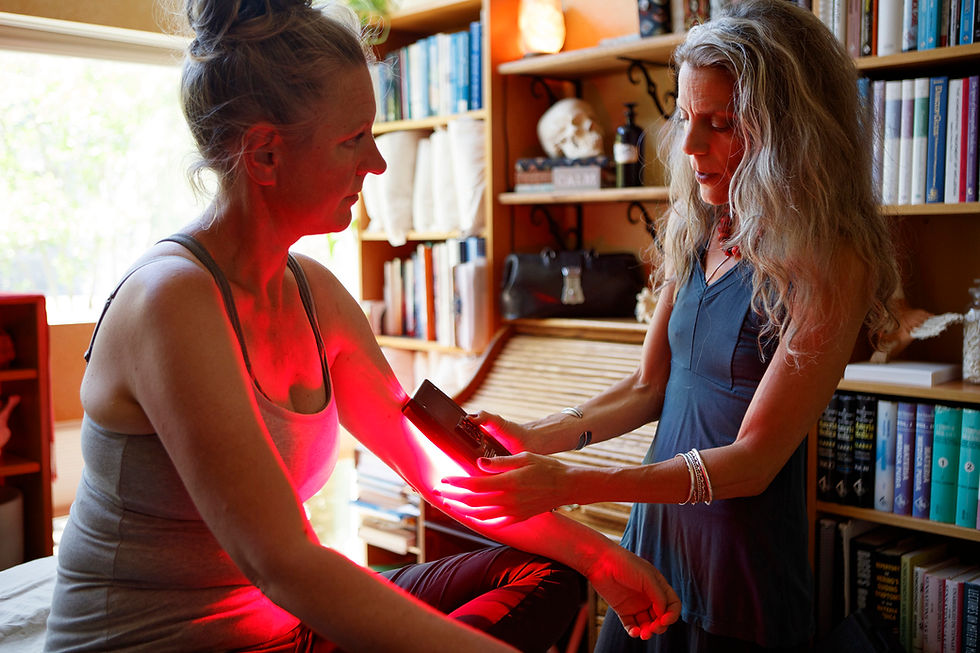
Sassy Summary:
If you’ve ever wondered how long sacroiliac joint pain can last, the answer is…long enough to make you question your past lives, your mattress, and your decision to ever attempt that hip-opening yoga pose. SI joint pain is the kind of deep, low-back ache that makes even rolling out of bed feel like a gladiator challenge. And finding the right SI joint treatment for pain? Oh honey, it’s a choose-your-own-adventure novel written in Latin.
But here’s a plot twist: lasers.
Not the “pew-pew” kind that melts asteroids—think low-level laser therapy (LLLT), the gentle light that dives deep into tissues like a stealth healer. In a small-but-mighty study out of Japan, 9 patients dealing with sacroiliac joint pain were zapped (the healing kind, not the alien abduction kind) with 830 nm laser light—twice a week for 5 weeks. The result? Eight out of nine said, “Yeah, that helped,” and six actually improved how far they could bend forward (aka fewer “ouch” noises tying shoes).
Researchers think the laser helped by boosting circulation in those tough ligaments holding the sacrum in place, and maybe even giving the nervous system a nudge to chill out.
Bottomline: this light show wasn’t just for ambiance—it was legit pain relief.
So, if you’ve been side-eying every chair, sleeping like a T-Rex, or wondering how long for sacroiliac joint to heal at 3am, you’re not alone. And while the research still needs a bigger spotlight, lasers are sliding onto the list of sacrum pain remedies that don’t involve medieval levels of suffering.
Original Abstract:
"Low level laser therapy (LLLT) for patients with sacroiliac joint pain"
Ikuko Ohkuin, Nobuyuki Ushigome, Takashi Harada, Toshio Ohshiro, Kazuhiro Mizutani, Yoshiro Musya, Yukihiko Okada, Hiroshi Takahashi
Laser Ther. 2011;20(2):117-21.doi: 10.5978/islsm.20.117.
Abstract:
Background and aims: “Sacroiliac joint pain not associated with a major etiological factor is a common problem seen in the orthopedic clinical setting, but diagnosis is difficult because of the anatomical area and thus it is sometimes difficult to effect a complete cure. Low level laser therapy (LLLT) has been well-reported as having efficacy in difficult pain types, so the following preliminary study was designed to assess the efficacy of LLLT for sacroiliac pain.”
Materials and methods: “Nine patients participated, 4 males and 5 females, average age of 50.4 yrs, who attended the outpatient department with sacroiliac pain. The usual major disorders were ruled out. Pain was assessed subjectively pre-and post-LLLT on a visual analog scale, and trunk range of motion was examined with the flexion test to obtain the pre- and post-treatment finger to floor distance (FFD). The LLLT system used was an 830 nm CW diode laser, 1000 mW, 30 sec/point (20 J/cm(2)) applied on the bilateral tender points twice/week for 5 weeks. Baseline and final assessment values (after the final treatment session) were compared with the Wilcoxon signed rank test (nonparametric score).”
Results: “All patients completed the study. Eight of the 9 patients showed significant pain improvement and 6 demonstrated significantly increased trunk mobility (P less than 0.05 for both).” Conclusions: “LLLT was effective for sacroiliac pain, and this may be due to improvement of the blood circulation of the strong ligaments which support the sacroiliac joint, activation of the descending inhibitory pathway, and the additional removal of irregularities of the sacroiliac joint articular surfaces. Further larger-scale studies are warranted.”
Keywords: "Low Level Laser Therapy; Sacroiliac joint; Sacroiliac joint pain."
Sassy Summary:
If your joints scream louder than your alarm clock when a storm’s rolling in, you’re not alone. Wondering how to stop joint pain when it rains or why your wrist and elbow joint pain flares up like clockwork? Let’s just say your body’s internal weather forecast is freakishly accurate.
But plot twist: there’s a tool for this pain, and no, it’s not another round of ibuprofen or strapping your arm in a medieval sling. It’s laser therapy for joint pain—a surprisingly gentle, nerd-approved option that’s getting real results. Yep, lasers. Not the death-ray kind—more like the therapy-wand kind that helps joints chill out when they’re throwing a tantrum.
One study used low-level laser therapy (LLLT) on people dealing with shoulder pain and elbow joint pain, chronic wrist and finger pain, and all the annoying combo platters in between. We’re talking people who couldn’t stir soup, lift laundry, or type more than an angry email before needing a break.
What happened? Pain scores dropped like a hot kettlebell. After just four weeks of quick laser sessions (think three minutes of “zap zap” twice a week), their pain scores dropped big-time—from an average of 59 to a much happier 33. That’s not just placebo power. That’s relief you can measure, baby.
The lasers weren’t magic wands (no gains in range of motion), but for how to relieve shoulder and elbow pain or keep your elbow to the wrist rage under control, LLLT was a win.
So, if you’re trying to stop pain without smelling like a pharmacy aisle...
...and want something that doesn’t require an orthopedic degree to understand, laser therapy might just be your low-key hero. It may not stop the rain, but it might just help your body quit predicting it with every creak and twinge.
Disclaimer: No pain relief method works for everyone, and this isn’t the pew-pew kind of laser that’ll give you X-Men powers. But if you’re looking for a new way to approach that shoulder pain and elbow pain that refuses to quit—especially when the weather acts up—it’s worth a closer look.
Original Abstract:
"Low level laser therapy (LLLT) for chronic joint pain of the elbow, wrist and fingers"
Ikuko Okuni, Nobuyuki Ushigome, Takashi Harada, Toshio Ohshiro, Yoshiro Musya, Masayuki Sekiguchi
Laser Ther. 2012 Mar 28;21(1):15-4.doi: 10.5978/islsm.12-OR-04.
Abstract:
Background and aims: “In previous studies, we successfully applied Low Level Laser Therapy (LLLT) in patients with non-specific chronic pain of the shoulder joint and lower back. The purpose of the present study was to assess the effectiveness of LLLT for chronic joint pain of the elbow, wrist, and fingers.”
Subjects and methods: “Nine male and 15 female patients with chronic joint pain of the elbow, wrist, or fingers, who were treated at the rehabilitation outpatient clinic at our hospital from April, 2007 to March, 2009 were enrolled in the study. We used a 1000 mW semiconductor laser device. Each tender point and three points around it were irradiated with laser energy. Each point was irradiated twice for 20 s per treatment, giving a total of three minutes for all 4 points. Patients visited the clinic twice a week, and were evaluated after four weeks of treatment. Pain was evaluated with a Visual Analogue Scale (VAS). Statistical analysis of the VAS scores after laser irradiation was performed with Wilcoxon's signed rank sum test, using SPSS Ver.17.”
Results: “All VAS scores were totaled and statistically analyzed. The average VAS score before irradiation was 59.2±12.9, and 33.1±12.2 after the irradiation, showing a significant improvement in VAS score (p less than 0.001) after treatment. The treatment effect lasted for about one and a half days in the case of wrist pain, epicondylitis lateralis (tennis elbow), and carpal tunnel syndrome. In other pain entities, it lasted for about three to fifteen hours. No change in the range of motion (ROM) was seen in any of the 24 subjects.”
Conclusion: “We concluded that LLLT at the wavelength and parameters used in the present study was effective for chronic pain of the elbow, wrist, and fingers.”
Keywords: "Chronic Pain; Elbow, Wrist and Finger Pain Patients; Low Level Laser Therapy."
Sassy Summary:
You’ve heard the phrase “we’re running out of antibiotics,” right? That’s not science fiction. That’s your immune system being overtaken by super bugs—the real-world superbug examples that have learned how to dodge every drug we throw at them.
We’re talking about people with an active infection from a multidrug-resistant organism, like drug-resistant TB. These aren’t rare cases anymore. Multiple drug resistant bacteria are on the rise—and the standard antibiotics? They’re failing. Hard.
So how do bacteria become resistant to antibiotics? Bacteria are masters of adaptation. Every time you take a med that only sort of works, the bugs regroup, rewrite their DNA like digital hackers, and come back stronger. That’s how we created the superbug that is antibiotic resistant.
But here’s the twist in the tale—lasers.
In a randomized, double-blind clinical trial, low-level nitrogen laser therapy was used alongside medication for multidrug resistant tuberculosis treatment, cold abscesses, and lymph node infections.
The results?
49% cleared Acid Fast Bacilli (AFB) smear, vs. just 11% in the drug-only group
Faster closure of abscesses (11 weeks vs. 26!)
Shrinking lymph nodes
And get this: even stubborn infections started reversing
This wasn’t just a fluke. It’s a glimpse into what might become nature’s antibiotic backup plan—a drug-free light therapy that works on a completely different mechanism. The bugs can’t mutate to dodge photons. They don’t know how.
So no, lasers aren’t just sci-fi weapons or fancy salon toys. They might be the next big move in arms race we’re clearly losing.
Original Abstract:
"Randomized, double-blind study on role of low level nitrogen laser therapy in treatment failure tubercular lymphadenopathy, sinuses and cold abscess"
Ashok Bajpai, Nageen Kumar Jain, Sanjay Avashia, P K Gupta Indian J Tuberc. 2010 Apr;57(2):80-6.
Abstract:
Background: “Effectiveness of low-level nitrogen laser therapy along with antitubercular treatment (ATT) in cases of treatment failure and drug resistant tubercular lymphadenopathy, sinuses and cold abscess.”
Methods: “In a double-blind randomized controlled trial of LLLT, 104 patients assigned to either the low-level nitrogen laser therapy along with ATT (LLLT group) (n = 54) or ATT only (Chemotherapy group) (n = 50). Both groups were treated two times per week for five weeks. Those in the treatment group received pulse nitrogen laser with a pulse duration of seven nanosecond, wave length 337 nanometer and average power output of 5 mW whereas those in the control group were treated with sham laser. The primary outcome measure was bacteriological conversion and the secondary outcome measures were decrease in size of lesion and the clinical improvement.” Results: “Acid Fast Bacilli (AFB) smear, AFB culture and Polymerase Chain Reaction (PCR) conversion rate at five weeks (after 10 sittings of laser) were 49.15%( Fishers P exact test-p = 0.015), 60%, 44.44% (Fishers P exact test-p = 0.048) in LLLT group as compared to 11.86%, 20%,17.77% in chemotherapy group. Average percentage reduction in the size of gland at 5 weeks was 70.67% (p value 0.01) as compared to 54.81 in chemotherapy group. Average time taken for closure of sinuses was 11.03 weeks in LLLT group as compared to 26 weeks in chemotherapy group. The follow up was conducted for two years.”
Conclusion: “Low level nitrogen laser therapy can be used as an adjunctive therapy along with antitubercular drugs in cases not responding and drug resistant tubercular lymphadenopathy, sinuses and cold abscess.”
Sassy Summary:
Gut feeling something’s off? Turns out, you’re probably right. From gas to gloom, the flora in your colon runs the whole show—and when your gut’s out of whack, everything else follows. That’s why gut health reset and healing GI tract naturally are blowing up for good reason.
One emerging option? Photobiomodulation (PBM)—aka low-level infrared light therapy—which may just have the ability to help with healing gut microbiome. We’ve got laser beams lighting up your colon flora like a disco party.
In a case study published in Photobiomodulation, Photomedicine, and Laser Surgery, researchers tracked a woman undergoing breast cancer treatment. Despite chemo and immunotherapy hammering her system, her microbiome breakthrough didn’t bounce back until PBM was introduced: specifically, infrared laser therapy to the abdomen (904 nm, 700 Hz, 861.3 total joules), three times a week for 11 weeks.
And the result? Not subtle. Her gut flora shifted significantly.
Healing the Gut Microbiome Turns out light isn't just for mood—it might be for your microbiome too. New research suggests photobiomodulation (PBM) can increase beneficial flora in the colon, like Akkermansia and Faecalibacterium, and reduce the bad guys. And no, it’s not a microbiome supplements. It’s infrared light, aimed at your belly. Gentle. Non-invasive. And potentially revolutionary.
No magic pills, no gut detox tea. Just consistent light, targeted at the belly. While this was a single case study and more data is needed (yep, science always says that), it’s a juicy hint that light therapy could be microbiome therapy—especially for folks struggling with gut dysbiosis, autoimmune flares, or post-cancer gut fallout.
You might want to keep your eyes (and belly) open to light.
Signs of unhealthy gut? Want a gut repair that’s more than just probiotics and prayers? Infrared Lights might just be the missing link.
Original Abstract:
"Modifying the Microbiome as a Potential Mechanism of Photobiomodulation: A Case Report"
Brian Bicknell , E-Liisa Laakso, Ann Liebert, Hosen Kiat
Photobiomodul Photomed Laser Surg. 2022 Feb;40(2):88-97. doi: 10.1089/photob.2021.0057. Epub 2021 Dec 28.
Abstract:
Objective: “The objective of this case study was to elucidate the effect of photobiomodulation (PBM) on the microbiome."
Background: "The gut microbiome has been identified as a key component of health, with gut dysbiosis, characterized by decreased microbial diversity and an altered microbial composition, being recognized as instrumental in many diseases and disorders. Previous research has suggested that the gut microbiome can be favorably altered in animal models using PBM. Materials and methods: The participant had their microbiome tested on nine occasions, three times before any treatment, three times after radiotherapy and commencement of immunotherapy for breast cancer, and three times after PBM treatment. The PBM treatment consisted of infrared laser treatment (904 nm; 700 Hz pulse frequency, 861.3 total joules) to the abdomen three times per week for 11 weeks."
Results: "The microbiome of the participant showed significant changes in diversity after PBM treatment, but not after cancer therapy, with an increase in the number of known beneficial bacteria (Akkermansia, Faecalibacterium, and Roseburia) and decrease in the number of potentially pathogenic genera."
Conclusions: "The results suggested the possibility that PBM may alter the microbiome and thus it represents a therapeutic avenue for chronic diseases with otherwise limited treatment options.” Keywords: cancer therapy; microbiome; photobiomodulation."

Sassy Summary:
Wrinkles on your forehead? Been there. Eye wrinkles creeping in like uninvited guests who forgot how to leave? Same. But here’s the glow-up: red and amber light therapy just dropped periocular wrinkle volume by 30% in a clinical trial. That’s right—no knives, no needles, just luminous beams doing goddess-level repair.
If you've been wondering how to get rid of forehead wrinkles naturally or want real solutions for those stubborn wrinkles around eyes, science says yes—you can smooth things out. Painlessly.
Forget chasing sketchy wrinkle serums that overpromise and underdeliver. This is laser treatment for wrinkles that’s gentle enough for sensitive skin, safe for diabetics, and even okay if you scar easily (yes, keloids, we’re looking at you). Want to eliminate forehead wrinkles naturally? This is your green light. Wondering how to get rid of under eye wrinkles without going medieval? Keep reading.
Laser Treatment for Wrinkles: Real Study, Real Results In 2023, researchers tested red and amber light therapy on 137 women dealing with wrinkles on forehead and eye wrinkles. Both wavelengths slashed wrinkle depth by nearly 30%—with no injections, no downtime, and no sketchy side effects.
The trial didn’t show dramatic boosts in hydration or elasticity—but it did improve skin appearance and quality of life scores. If you’ve been exploring home remedies for wrinkles or asking, how do I get rid of under eye wrinkles without harsh treatments? This is your science-backed answer.
The takeaway? new science says light—not the expensive wrinkle serum you’re slathering on—this maybe your glow-up ticket. The future is bright—and significantly wrinkle-reduced.
Original Abstract:
“Photobiomodulation Reduces Periocular Wrinkle Volume by 30%: A Randomized Controlled Trial”
Lidiane Rocha Mota, Ivone da Silva Duarte, Thais Rodrigues Galache, Katia Maria Dos Santos Pretti, Orlando Chiarelli Neto, Lara Jansiski Motta, Anna Carolina Ratto Tempestini Horliana, Daniela de Fátima Teixeira da Silva, Christiane Pavani
Photobiomodul Photomed Laser Surg. 2023 Feb;41(2):48-56.doi: 10.1089/photob.2022.0114.
Abstract:
Objective: “This study aimed to evaluate red and amber light-emitting diode protocols for facial rejuvenation at the same light dose.”
Background: “The demand for minimally invasive cosmetic procedures to address skin aging has grown throughout the world. In vitro red and amber photobiomodulation (PBM) has been shown to improve collagen synthesis. Meanwhile, red PBM has already been studied in clinical trials; however, a comparison of the use of different wavelengths at the same light dose to reduce periocular wrinkles has not yet been performed.”
Methods: “This split-face, randomized clinical trial recruited 137 women (40-65 years old) presenting with skin phototypes II-IV and Glogau photoaging scale types II-IV. The individuals received 10 sessions for 4 weeks of red (660 nm) and amber (590 nm) PBM (3.8 J/cm2), one at each side of the face. The outcomes, measured before and after the treatments, were the periocular wrinkle volume measured by VisioFace® RD equipment; hydration measured by the Corneometer CM 825; skin elasticity measured by the Cutometer Dual MPA 580; and quality of life determined by adapted versions of validated questionnaires [Melasma Quality of Life Scale-Brazilian Portuguese (MelasQoL-BP) and Skindex-29].”
Results: “There was a significant reduction in wrinkle volume after red (31.6%) and amber (29.9%) PBM. None of the treatments improved skin hydration and viscoelasticity. Both questionnaires showed improvements in participants' quality of life.”
Conclusions: “PBM, both at red and amber wavelengths, is an effective tool for rejuvenation, producing a 30% wrinkle volume reduction. The technique has strong potential in patients with diabetes or those presenting with keloids, conditions for which highly inflammatory rejuvenating procedures are not indicated. Clinical trial registration number: REBEC-6YFCBM.”
Keywords: “low-intensity laser; low-level laser therapy; phototherapy; skin aging; wrinkles.”
Sassy Summary:
Still feeling the ghost of that old nerve injury—months or even years later? Numb fingers, weak grip, zapping pain in your shoulder or arm that never really left? Maybe you’ve asked how long does nerve damage take to heal and been met with shrugs or timelines that feel more like guesses than guidance.
But here’s something solid: a well-designed clinical study found that laser light therapy—specifically 780 nm laser applied daily for three weeks—actually improved motor recovery in people with long-standing brachial plexus injuries.
No surgeries. No pills. Just targeted light and patience.
What They Did—and Why It Matter?
Eighteen people with partial peripheral nerve damage, all well past the “just wait and see” stage (some up to several years post-injury), were split into two groups. One received a placebo, the other got low-level laser therapy—directly on the injured nerve and spinal cord. Every day. For 21 days straight.
Then they waited.
Three months later—and again at six months—the laser group showed clear improvements in motor function. EMG testing confirmed it: their muscles were firing again.
Did sensation return too? Not much. But being able to move, lift, or grasp again after years of stagnation? That’s no small thing.
Recovery Time for Nerve Damage: What’s Real?
If you’ve been spiraling through wondering how long for nerve damage to heal or therapy for brachial plexus injury, here’s the reality: nerves heal slowly. Think millimeters per day. And sometimes, they stall entirely—especially if the initial injury was severe or overlooked.
But this study suggests something hopeful: even when progress has plateaued, the right kind of stimulation—like laser therapy for nerve pain—might help jumpstart nerve regeneration.
Not in a woo-woo way. In a measurable, science-backed way.
Is Nerve Regeneration Therapy a Real Thing?
Yes. At least, it can be.
There’s no miracle cure for damaged nerves—but using laser light to gently stimulate healing tissue shows promise, especially for those with brachial plexus injuries, lingering nerve pain in the arm or shoulder, or chronic muscle weakness that hasn’t budged in years.
This isn’t about masking symptoms.
It’s about nudging the nervous system toward actual repair.
Final Thoughts: Hope, Without the Hype
If you’re still dealing with pain or loss of function from an old nerve injury, you’re not out of options. And you’re not crazy for wanting more than a “wait and see” approach.
Laser therapy for nerve pain isn’t yet standard care—but maybe it should be.
Because sometimes, healing doesn’t need a scalpel. Sometimes, it just needs the right kind of light.
Original Abstract:
"Photobiomodulation After Neurotization (Oberlin Procedure) in Brachial Plexus Injury: A Randomized Control Trial"
Yi Hui Foo, Tunku Sara Tunku Ahmad Yahaya, Tze Yang Chung, Jeremy Prakash Silvanathan
Photobiomodul Photomed Laser Surg. 2020 Apr;38(4):215-221. doi: 10.1089/photob.2019.4757.
Abstract:
Objective: “To investigate effect of photobiomodulation (PBM) on nerve regeneration after neurotization with the Oberlin Procedure (ulnar fascicle to motor branch to biceps) to restore elbow flexion in patients with brachial plexus injury."
Materials and methods: "This prospective randomized controlled trial was conducted with 14 patients with high brachial plexus injury who underwent neurotization with the Oberlin Procedure to restore elbow flexion. The patients were randomly allocated to two groups of equal numbers: control group and PBM group. In this study, the PBM used has a wavelength of 808 nm, 50 mW power, continuous mode emission, 4 J/cm2dosimetry, administered daily for 10 consecutive days, with an interval of 2 days (weekends). The outcome of surgery was assessed after 1, 2, 3, and 6 months. The nonparametric Mann-Whitney U-test and chi-square test were utilized to compare the results between both groups."
Results: "After 3 months postoperatively, more patients in the PBM group had demonstrated signs of reinnervation and the mean muscle power was significantly higher in the PBM group. No adverse effects resulted from the administration of PBM. Conclusions: PBM is a treatment modality that can improve nerve regeneration after neurotization with the Oberlin Procedure.”
Keywords: "Oberlin Procedure; brachial plexus injury; nerve regeneration; neurotization; photobiomodulation."
Sassy Summary:
If you’ve been dragging around a half-dead limb for months (or years), wondering if recovery from nerve damage is even possible—this one’s for you.
Because while conventional wisdom says nerves only heal in the first few months, this study begs to differ. Researchers tested laser phototherapy (at a wavelength of 780 nm) on people with long-term, incomplete peripheral nerve injuries—including those with stubborn brachial plexus damage that had already plateaued.
We’re talking six months to several years post-injury. And the treatment? Noninvasive, targeted laser therapy for nerve pain, applied for 21 days straight. No drugs, no incisions—just a quiet daily dose of light, aimed at the nerve and the spinal cord.
The Results? They Got Moving—Literally
At both three and six months after treatment, patients in the laser group showed statistically significant improvements in motor function. Translation? Their muscles were firing again. Voluntary movement returned in places where it had flatlined.
And this wasn’t just “hey, I think I feel better.” It was backed up by electrophysiological testing—the kind of data that’s hard to argue with.
No change in sensation, unfortunately—but being able to move again after years of waiting? That’s a massive win.
What Does This Mean for Nerve Damage Recovery Time?
The short version: nerve regeneration therapy doesn’t have to mean surgery, and it doesn’t have to happen on a perfect timeline. This study shows that even after long delays, damaged nerves can still improve—with the right support.
So, if you’ve been stuck in that medical limbo of “wait and see,” or you’ve been wondering how long does nerve damage take to heal while your arm just hangs there like a haunted noodle, know this:
It’s not always too late.
Rethinking Therapy for Brachial Plexus Injury
This study adds weight to a growing body of research saying laser therapy for nerve pain might help people with severe nerve trauma—especially when movement is impaired and surgery isn't an option (or already failed).
And because the treatment was noninvasive, with zero side effects, it offers real hope for folks looking for something gentler—but still effective.
If you’re dealing with nerve damage recovery time that feels endless, or wondering how long for damaged nerves to heal when nothing’s improving, this study’s message is clear:
Don’t count yourself out just yet.
Bottomline: Science Says It's Not Hopeless
Well, grab your light goggles, because this study just brought some actual answers.
The old story says nerve healing has a deadline. But the science says… maybe not.
With the right wavelength and the right protocol, infrared and red light therapy for nerve pain might actually help your body reboot old nerve connections. Even years later. Even if you were told there’s nothing left to try.
Hope doesn’t always show up in big, flashy ways. Sometimes, it shows up quietly—with a beam of light.
Original Abstract:
"Laser Phototherapy (780 nm), a New Modality in Treatment of Long-term Incomplete Peripheral Nerve Injury: a Randomized Double-blind Placebo-controlled Study"
Shimon Rochkind, Vivian Drory, Malvina Alon, Moshe Nissan, Georges E Ouaknine
Photomed Laser Surg. 2007 Oct;25(5):436-42. doi: 10.1089/pho.2007.2093.
Abstract:
Objective: “The authors conducted this pilot study to prospectively investigate the effectiveness of low-power laser irradiation (780 nm) in the treatment of patients suffering from incomplete peripheral nerve and brachial plexus injuries for 6 months up to several years.”
Background data: “Injury of a major nerve trunk frequently results in considerable disability associated with loss of sensory and motor functions. Spontaneous recovery of long-term severe incomplete peripheral nerve injury is often unsatisfactory.”
Methods: “A randomized, double-blind, placebo-controlled trial was performed on 18 patients who were randomly assigned placebo (non-active light: diffused LED lamp) or low-power laser irradiation (wavelength, 780 nm; power, 250 mW). Twenty-one consecutive daily sessions of laser or placebo irradiation were applied transcutaneously for 3 h to the injured peripheral nerve (energy density, 450 J/mm(2)) and for 2 h to the corresponding segments of the spinal cord (energy density, 300 J/mm(2)). Clinical and electrophysiological assessments were done at baseline, at the end of the 21 days of treatment, and 3 and 6 months thereafter.”
Results: “The laser-irradiated and placebo groups were in clinically similar conditions at baseline. The analysis of motor function during the 6-month follow-up period compared to baseline showed statistically significant improvement (p = 0.0001) in the laser-treated group compared to the placebo group. No statistically significant difference was found in sensory function. Electrophysiological analysis also showed statistically significant improvement in recruitment of voluntary muscle activity in the laser-irradiated group (p = 0.006), compared to the placebo group.”
Conclusion: “This pilot study suggests that in patients with long-term peripheral nerve injury noninvasive 780-nm laser phototherapy can progressively improve nerve function, which leads to significant functional recovery.”
Sassy Summary:
Let’s be real. If you’ve got neck pain and back pain, chances are you've already cycled through heating pads, chiropractors, and enough ibuprofen to pickle your liver. Maybe you’ve even cried at night wondering why does my upper back hurt.
Well, guess what? This very legit review of twelve studies says:
Welcome to the world of high intensity laser therapy—aka the red and infrared lights.
Laser treatments for pain: The Breakdown
Still wondering, how does laser therapy work? It doesn’t numb the pain. It stimulates tissue healing, kickstart healing, chills out the nerves, increases blood flow, kicks inflammation to the curb, and console your cranky fascia.
Whether it’s:
A kink in my neck from stress stacking like pancakes
That "my back my back" yelp every time you sneeze
Or pain throbbing that’s decided to set up camp full-time...
This study shows that laser pain management actually delivers. No scalpels. Because your spine pain management plan shouldn’t be:
Just do more yoga. Use targeted therapeutic laser therapy that gets in deep—without breaking the skin.
For the Pain Warriors: This Is Advanced Pain Management, Not Ancient Guesswork
We’re talking:
Laser muscle treatment for tight, inflamed areas
Spine pain management without injections or surgery
Holistic pain management that doesn’t fry your gut with Non-Steroidal Anti-Inflammatory Drugs.
Laser therapy for shoulder pain, laser for neck pain, low back breakdowns—you name it
And yes, it’s officially part of interventional pain management now. A far cry from the dusty massage gun you bought during lockdown.
Final Glow-Up: The Benefits of Laser Therapy?
Still asking, laser therapy for back pain does it work? It does. Still skeptical? Good. But here's the deal: This study is a whole stack of studies, and they all point the same direction.
This study looked at 12 high-quality studies: 736 people with things like neck pain, back pain and shoulder pain.
All of them tested if big, powerful lasers help people with body pain. The answer? YUP. Laser is good. Pain goes down. People feel better and move better (like, could they move, bend, carry groceries).
So go ahead and bookmark this under pain management laser options that don’t suck. Or better yet, call your pain management specialist and ask why this isn’t on the menu yet.
If your neck feels like it’s made of rust and your spine sounds like bubble wrap, this laser could help.
Not a miracle. Not a gimmick. Just science with sparkles.
You deserve the laser treatment for healing your pain actually deserves.
And that, my friend, is why this boring-sounding paper is secretly a game-changer in the world of laser muscle therapy.
Original Abstract:
"Effectiveness of high-intensity laser therapy in the treatment of musculoskeletal disorders. A systematic review and meta-analysis of randomized controlled trials"
Hyun Jin Song, MPharm, PhD, Hyun-Ju Seo, MPH, PhD, Youngjin Lee, PhD, Sung Kyu Kim, MD
Medicine (2018) 97:51(e13126)
Abstract:
Background: "Although high-intensity laser therapy (HILT) has been used for the management of musculoskeletal disorders (MSD), studies examining the effectiveness of HILT have been limited. We investigated the effectiveness of HILT in MSD using a systematic review and meta-analysis.”
Methods: “We searched the ovid MEDLINE, ovid Embase, Cochrane CENTRAL library, and Web of Science until January, 2018. Relevant studies concerning the effectiveness of HILT in patients with MSD were included. Both placebo and active controls were considered as comparators and only randomized controlled trial (RCT) design studies were included. Risk of bias (ROB) was used for the quality assessment of the RCT. For continuous variables, a meta-analysis was conducted using an inverse variance random effects model. The mean difference (MD) for visual analog scale pain and standardized mean difference (SMD) for disability were applied.”
Results: “Twelve studies were selected for this systematic review. In 11 studies, comprising 736 patients, pain was significantly improved by HILT compared with a control group (MD: 1.01; 95% confidence interval [CI]: 1.28 to 0.74). From the analysis of 688 patients from 10 studies, the pooled standardized mean difference (SMD) of HILT showed a significant improvement in disability scores compared with those in the control group (SMD, 1.09; 95% CI 1.77, 0.41). In subgroup analysis by treatment regions, the mean difference (MD) in neck pain was the highest at 1.02 (95% CI: 1.45, 0.58) than in controls, followed by back pain (MD, 0.91; 95% CI: 1.24, 0.59).”
Conclusions: "The results of this study show that HILT treatment for back and neck pain significantly improved pain and disability scores compared with controls. The ROB of the included studies was moderate; however, significant heterogeneity existed. Thus, additional well-designed studies involving larger samples with long-term follow-up are needed to further assess each laser application, treatment region, and comparator."
Abbreviations: “CI = confidence interval, CMS = Constant Murley Scale, DASH = Disabilities of the Arm Shoulder and Hand questionnaire, GDP = gross domestic product, HILT = high-intensity laser therapy, HILT = high-intensity laser therapy, LLLT = low- level laser therapy, MD = mean difference, MSD = musculoskeletal disorders, NDI = Neck Disability Index, NSAIDs = nonsteroidal anti-inflammatory drugs, ODI = Oswestry Disability Index, PRTEE = Patient-related Tennis Elbow Evaluation, RCT = randomized controlled trial, ROB = risk of bias, SD = standard deviation, SMD = standardized mean difference, SPADI = Shoulder Pain and Disability Index, TENS = transcutaneous electrical nerve stimulation, VAS = visual analog scale, WMD = weighted mean difference.”
Keywords: "high-intensity laser therapy, musculoskeletal disorder, pain, systematic review meta-analysis"
Sassy Summary:
Chronic joint pain dragging you down like a weighted blanket soaked in regret? Enter low-level laser therapy (LLLT)—aka the nerdy cousin of tanning beds that doesn’t burn your skin but does seem to kick inflammation in the teeth.
This review rounded up the science on LLLT for chronic pain and osteoarthritis and found something real: pain relief, healing, and zero drugs involved. This non opioid pain management options that won’t fry your liver or mess with your head. This isn’t sci-fi. It’s holistic pain management that doesn’t involve chanting or celery juice.
What's Actually Going On?
So, here’s the deal: LLLT uses light waves between 600–1000 nm (aka not the death-ray kind) to gently soothe your cells—specifically the mitochondria, your body’s exhausted little batteries. Cells slurp up the light, wake up a little, and start doing what they’re supposed to do—heal. Think of it as laser muscle treatment meets cellular coffee. Think of it like a motivational TED Talk for tired tissue.
No Side Effects, No Scalpels, No Drama
Your cells start repairing tissue, reducing inflammation, and chilling the throbbing pain party in your shoulder/back/knee/insert-overused-body-part-here. This all of which translate to less throbbing, more moving. This isn’t a miracle cure. But the science shows that laser pain management—specifically cold laser—can actually reduce pain, repair tissues, and help people with musculoskeletal issues function better.
Where's the Proof?
Across several studies—both lab and clinical—LLLT was shown to:
Decrease pain (not just a little—significantly)
Reduce inflammation in sore, swollen joints
Promote fibroblast activity (aka tissue healing)
Support advanced pain management without side effects
The study suggests this therapy could be a solid addition to integrated pain management strategies, especially for folks who are done playing pharmaceutical roulette.
Final Thoughts: Sore Today, Zapped Tomorrow?
Laser therapy for healing is real. And it’s time the world stopped treating it like fringe wellness fluff and started giving it the spotlight it deserves.
You wanting to not groan every time you bend over, this summary points to one thing: red and infrared lights might be the dark horse of therapeutic laser therapy.
And in a world full of pills, patches, and “just deal with it,” that’s a pretty bright spot.Your pain is real. But so is your healing.
Now go blast that high power laser at your back like the majestic wounded unicorn you are.
Original Abstract:
"Review of Literature on Low-level Laser Therapy Benefits for Nonpharmacological Pain Control in Chronic Pain and Osteoarthritis"
Robert Dima, Vinicius Tieppo Francio, Chris Towery, Saied Davani
Altern Ther Health Med. 2018 Sep;24(5):8-10.
Abstract:
Introduction: “Low-level laser therapy (LLLT) is a form of light therapy that triggers biochemical changes within cells. Photons are absorbed by cellular photoreceptors, triggering chemical alterations and potential biochemical benefits to the human body. LLLT has been used in pain management for years and is also known as cold laser therapy, which uses low-frequency continuous laser of typically 600 to 1000 nm wavelength for pain reduction and healing stimulation. Many studies have demonstrated analgesic and anti-inflammatory effects provided by photobiomodulation in both experimental and clinical trials.”
Objective: “The purpose of this research article was to present a summary of the possible pain management benefits of LLLT.” Results: “In cold laser therapy, coherent light of wavelength 600 to 1000 nm is applied to an area of concern with hope for photo-stimulating the tissues in a way that promotes and accelerates healing. This is evidenced by the similarity in absorption spectra between oxidized cytochrome c oxidase and action spectra from biological responses to light. LLLT, using the properties of coherent light, has been seen to produce pain relief and fibroblastic regeneration in clinical trials and laboratory experiments. LLLT has also been seen to significantly reduce pain in the acute setting; it is proposed that LLLT is able to reduce pain by lowering the level of biochemical markers and oxidative stress, and the formation of edema and hemorrhage. Many studies have demonstrated analgesic and anti-inflammatory effects provided by photobiomodulation in both experimental and clinical trials.”
Conclusion: “Based on current research, the utilization of LLLT for pain management and osteoarthritic conditions may be a complementary strategy used in clinical practice to provide symptom management for patients suffering from osteoarthritis and chronic pain.”
Sassy Summary:
If your jaw clicks every time you yawn, or you’ve been trying to figure out how to release jaw tension while holding back screams at the steering wheel, welcome to the land of myofascial pain syndrome face. It’s real. It’s relentless. And apparently, it’s fixable.
This study, tucked away in an obscure journal with a name only your dentist could love. However, it gave us something better than another “just try TMJ exercises” speech. Which is an actual proof that low-level laser therapy (LLLT) works.
And fast.
Temporomandibular Joint Dysfunction Treatment.
The Study, Smashed Down to the Juicy Bits:
Twenty people needing TMJ relief with faces tighter than a Botox budget were divided up: half got the laser treatment, half got the old good placebo.
Just two sessions of LLLT later (zapped right onto the myofascial pain points in the face), they waited 30 days.
Boom: the laser group had a significant increase in mouth opening (translation: you can finally eat a sandwich again) and way better quality of life.
We’re talkin’ measurable, pain-reducing, joy-bringing improvements—without pills, needles, or grinding through your mouthguard like it owes you money.
Why It Matters
This wasn’t just how to unclench your jaw fluff from your favorite TikTok jaw massage trick. This is science-backed, laser-tested, double-blind-trial data for people who are actually suffering.
This was an RCT—a randomized controlled trial. The real deal. Which means if you’re suffering from:
TMJ relief desperation
Myofascial pain syndrome treatments that never seem to stick
You know the drill—tense jaw, sleepless nights, and a mental loop of how to help TMJ pain playing on repeat.
It's Not Magic - It's Science (But Still Kinda Magical)
LLLT (aka cold laser therapy) uses specific light to stimulate tissue repair and reduce inflammation. Think of it as cellular acupuncture without the needles, or the nerdy cousin of “therapeutic facial” meets minor miracle.
Unlike a temporomandibular joint dysfunction treatment that involve a device that look like medieval torture tools, this one just gently beams light onto the mess—and somehow helps you open your damn mouth again. Without the “crick, snap, ow.”
Final Thoughts: Unclench, Darling
If you’ve been living with jaw stiffness, facial pain, or feel like your entire skull is plotting against you, this might be your sign. Whether you’re navigating the world of TMJ specialist referrals, or dreaming how to release tension in jaw while eating your third mushy smoothie of the week—this study’s got your back (and your bite).
Because life is better when you can yawn, chew, or laugh without sounding like a haunted marionette.
Now go forth. Unclench. Glow up your face muscles.
Original Abstract:
"Rapid LLLT protocol for myofascial pain and mouth opening limitation treatment in the clinical practice: An RCT"
Vitória De Oliveira Chami, Lucas Machado Maracci, Fernanda Tomazoni, Anna Carolina Teixeira Centeno, André Luiz Porporatti, Vilmar Antônio Ferrazzo, Mariana Marquezan
Cranio. 2022 Jul;40(4):334-340.doi: 10.1080/08869634.2020.1773660. Epub 2020 Jun 3.
Abstract:
Objective: “To evaluate the effect of a rapid treatment protocol of low-level laser therapy (LLLT) in patients with myofascial pain and mouth opening limitation.”
Methods: “Twenty patients were randomly allocated into the laser group (LG) (n = 10) and the placebo group (PG) (n = 10). Two LLLT sessions or placebo were performed. They were applied to the pain points upon palpation, with a 48-hr interval. Patients were evaluated for spontaneous pain sensitivity during mandibular movements and for oral health-related quality of life, which was assessed using the Oral Health Impact Profile for Temporomandibular Disorders (OHIP/TMD) questionnaire.”
Results: “Two patients from the placebo group were lost during the study. A significant increase in the maximum mouth opening (p = 0.04) and improvement in OHIP/TMD scores (p = 0.003) were observed in the LG after 30 days.”
Conclusion: “Spontaneous pain was reduced in both groups with low-level laser therapy.” Keywords: Facial pain; low-level light therapy; placebo; quality of life; randomized controlled trial; temporomandibular joint disorders."
Sassy Summary:
Wait, Did They Just Zap Parkinson's with Light?
Let’s face it—most parkinson's disease news sounds like recycled doom with a sprinkle of pharma PR. Then along comes a dusty, proof-of-concept study, that actually makes you raise an eyebrow and go,
"Wait...light? Really?"
Yep. In this little gem of a study, researchers used photobiomodulation (PBM)—which is science-speak for targeted light therapy—to see if they could shift the dial on Parkinson’s disease. Not in mice. Not in theory. But in actual people. Humans. Shaking, stiff, slow-moving humans with very real struggles.
And guess what? The results might just qualify as natural cure for parkinson's disease or at least the hottest alternative treatment for parkinson's you haven’t heard about at your neurologist’s office.
The Spark Notes on the Science-y Bits:
Twelve real people with real Parkinson’s got treated with light therapy—not just on the skull (transcranial), but intranasal (up the nose!), neck, and belly too. Basically, a full-on photon glow-up. They did this for 12 weeks.
They tested balance, movement, memory, and coordination at the start, mid-way, and again after a year of at-home sessions. The outcome?
Mobility? Improved.
Fine motor skills? Sharpened.
Cognition? Leveled up.
Balance? Less toddler-on-a-boat.
Side effects? None.
And while we’re being real: yes, there was a tiny Hawthorne Effect (that thing where you feel better because someone’s watching). But the results from the actual light therapy outshined it. Literally.
New Treatment for Parkinson's
Now look—we’re not tossing dopamine pills in the trash just yet. But for those craving a parkinson's natural treatment that goes beyond juicing turmeric and crossing fingers, this study is legit exciting.
Imagine a future where natural remedies for parkinson disease don’t sound like a desperate Pinterest board. Where parkinson's disease natural treatment means something that actually affects the brain, the body, and the symptoms. Not just your hope levels.
A Glimmer of Hope. A Glow of Science.
No, this wasn’t a massive clinical trial. But it was enough to kickstart something bigger. And when you see sustained improvements a year later with home devices? You pay attention.
Whether you’re deep in the rabbit hole of new treatments for parkinson's disease that isn’t snake oil, this one’s got legs. And light.
Final takeaway:
If light is the new medicine, then PBM might be the new parkinson's treatment we didn’t know we needed.
Glowing brains. Real results. Zero side effects. That’s the kind of parkinson's disease research we can all get behind.
Original Abstract:
"Improvements in clinical signs of Parkinson’s disease using photobiomodulation: a prospective proof- of-concept study"
Ann Liebert , Brian Bicknell , E-Liisa Laakso , Gillian Heller , Parastoo Jalilitabaei, Sharon Tilley, John Mitrofanis and Hosen Kiat
Liebert et al. BMC Neurology (2021) 21:256 https://doi.org/10.1186/s12883-021-02248-y
Abstract:
Background: “Parkinson’s disease (PD) is a progressive neurodegenerative disease with no cure and few treatment options. Its incidence is increasing due to aging populations, longer disease duration and potentially as a COVID-19 sequela. Photobiomodulation (PBM) has been successfully used in animal models to reduce the signs of PD and to protect dopaminergic neurons.”
Objective: “To assess the effectiveness of PBM to mitigate clinical signs of PD in a prospective proof-of-concept study, using a combination of transcranial and remote treatment, in order to inform on best practice for a larger randomized placebo-controlled trial (RCT).”
Methods: “Twelve participants with idiopathic PD were recruited. Six were randomly chosen to begin 12 weeks of transcranial, intranasal, neck and abdominal PBM. The remaining 6 were waitlisted for 14 weeks before commencing the same treatment. After the 12-week treatment period, all participants were supplied with PBM devices to continue home treatment. Participants were assessed for mobility, fine motor skills, balance and cognition before treatment began, after 4 weeks of treatment, after 12 weeks of treatment and the end of the home treatment period. A Wilcoxon Signed Ranks test was used to assess treatment effectiveness at a significance level of 5%.”
Results: “Measures of mobility, cognition, dynamic balance and fine motor skill were significantly improved (p less than 0.05) with PBM treatment for 12 weeks and up to one year. Many individual improvements were above the minimal clinically important difference, the threshold judged to be meaningful for participants. Individual improvements varied but many continued for up to one year with sustained home treatment. There was a demonstrable Hawthorne Effect that was below the treatment effect. No side effects of the treatment were observed.”
Sassy Summary:
Let’s be honest: when you hear diabetic peripheral neuropathy, your brain checks out somewhere between foot pain and numb toes. But if you’ve been living with peripheral neuropathy and praying to the nerve gods for a miracle, hold onto your socks because this pilot study just slid in with lasers and a whole lotta potential.
That’s right. We’re talking low-level laser therapy (LLLT)—aka cold laser, aka light that heals without frying you. Not exactly how to reverse nerve damage in feet naturally unless your idea of natural includes sci-fi.
The Study: Less Hype, More Healing
Researchers picked 40 people whose feet weren’t just “a little tingly”—we’re talking full-on nerve drama from diabetic peripheral neuropathy. To track what was really going on, they didn’t just ask, “How bad does it hurt?” Nope, they poked, prodded, and used special tools to test how much feeling folks had left in their feet and how much the pain was messing with their lives. Think of it like a report card for foot nerves: pain scores, tickle tests, and all.
They zapped everyone’s feet (plantar AND dorsal) with LLLT for 10 days straight. Then they waited four weeks and tested again. What happened?
Vitamin D went up.
Magnesium went up.
Pain went down.
Vibration perception improved.
Quality of life? You bet it improved.
So, can diabetic neuropathy be reversed? If this little study’s any hint—maybe not fully, but LLLT sure seems like it’s trying.
Reversal of Neuropathy? More Like a Glow-Up for Your Nerves
There was no mention of fairy dust or foot massages here. Just cold hard light and some hot results. The scientists even said the rise in Vitamin D and Magnesium might predict how well you’re doing down the road. Meaning, if your serum levels jump? Your feet might actually stop screaming.
That’s enough to make your podiatrist do a double take and your toes do a happy dance.
So, What’s the Deal with Reversing Neuropathy?
Most folks dealing with diabetic nerve pain have heard the same tired tune: it’s permanent, it’s progressive, and your only option is to manage the misery. But this study drops a little plot twist. Turns out, the idea of reversing neuropathy isn’t as wild as it sounds.
This isn’t just about can diabetic nerve pain be reversed with leafy teas and crossed fingers. We’re talking measurable changes—less pain, better sensation, and a noticeable bump in quality of life.
Which begs the question: can neuropathy be reversed?
The old-school answer was no. But now?
Is diabetic neuropathy reversible, you’ve probably heard the usual: No.
Nope. Not really. We might be inching toward a soft yes.
But this study whispers something sassier: Maybe. Maybe herbal remedies for diabetic neuropathy need a teammate. Maybe diabetic neuropathy self-care can include more than compression socks and despair.
Maybe light therapy is the underdog we didn’t know we needed.
Bottom Line: Science Just Flicked the Lights On
This wasn’t a miracle cure. But it was a signal flare—a big hint that light therapy could be a non-invasive, side-effect-free path toward reverse diabetic nerve damage.
So, if you’re living with neuropathy and the only thing reversing is your patience, maybe it’s time to throw some light on the problem. Literally.
Original Abstract:
"Effect of Low Level Laser Therapy on serum vitamin D and magnesium levels in patients with diabetic peripheral neuropathy - A pilot study"
M Anju, Lincy Chacko, Yenoshan Chettupalli, Arun G Maiya, Velladath Saleena Ummer
Diabetes Metab Syndr. 2019 Mar-Apr;13(2):1087-1091. doi: 10.1016/j.dsx.2019.01.022.Epub 2019 Jan 18.
Abstract:
Background: “Diabetic Peripheral neuropathy (DPN) is the most distressing complication of diabetic population leading to loss of sensation, pain, and amputation. Low-level laser therapy (LLLT) has been used to manage nerve injuries as it holds the potential to induce a biostimulatory effect with no side effects. Hence we planned to study the biochemical effect and therapeutic outcomes of LLLT on patients with painful diabetic peripheral neuropathy as a preliminary work.”
Materials and methods: “Pre-posttest analysis was done on 40 patients diagnosed with DPN confirmed using 10 g Monofilament test and Michigan Neuropathy Screening Instrument (MNSI). Vibration sensation and pain measured by Vibration perception threshold (VPT) and Numeric pain rating scale (NPRS). All patients were given LLLT (3.1 J/cm2) on plantar and dorsal of the foot for 10 days. Serum samples were collected at baseline and 4 weeks after LLLT to estimate Vitamin D and Magnesium and compared the results.” Results: “There was a significant increase in Vitamin D and Magnesium levels after LLLT. We observed a considerable improvement in the quality of life after LLLT demonstrated by a decrease in VPT and MNSI and a reduction in NPRS in DPN patients.”
Conclusion: “In this study, we found that LLLT improved the QL and hence may be a useful therapeutic option in treating peripheral neuropathic pain in type 2 diabetic patients. The progress in the serum Magnesium and Vit. D levels were proportional to the QL and may be a good indicator of the prognosis of DPN after LLLT.”
Keywords: "Diabetic peripheral neuropathy; Low-level laser therapy; Neuropathic pain; Serum magnesium; Vitamin D."
Sassy Summary:
Move over IV meds—there’s a new nerd at the table! While intravenous tissue plasminogen activator (try saying that three times fast) is still the only proven fix for an acute ischemic stroke, not everyone qualifies. Enter: infrared and red light therapy for stroke recovery.
Researchers in the NEST-1 and NEST-2 trials beamed near-infrared light right onto people’s scalps within 24 hours of stroke onset. In the world of brain emergencies, critical time after stroke is everything. They weren’t just winging it—this laser light is thought to jazz up your mitochondria, AKA your cellular power plants.
Now here’s the kicker: individually, the trials didn’t scream “miracle cure.” But when they pulled their data? Boom. A significant improvement in success rates showed up in patients with minor stroke.
No side effects. No scalp burn. Just a small, glowy maybe that this tech could support minor stroke recovery or help a stroke survivor regain better function in the future.
Bottom line? This isn’t the silver bullet, but it might make a decent sidekick in the sequel. We’re still waiting on the phase 3 trial finale—but for now, it’s a promising side quest on the long road of recovery after minor stroke and beyond.
Original Abstract:
"The evolution of transcranial laser therapy for acute ischemic stroke, including a pooled analysis of NEST-1 and NEST-2"
Andrew B Stemer, Branko N Huisa, Justin A Zivin
Curr Cardiol Rep. 2010 Jan;12(1):29-33. doi: 10.1007/s11886-009-0071-3.
Abstract:
“Intravenous tissue plasminogen activator is the only proven therapy for acute ischemic stroke. Not enough patients are eligible for treatment and additional new therapies are needed. Recently, laser technology has been applied to acute ischemic stroke. This noninvasive technique uses near-infrared wavelengths applied to the scalp within 24 h of symptom onset. The mechanism is incompletely understood but may involve increased mitochondrial adenosine triphosphate production. Animal models demonstrated safety and efficacy warranting randomized controlled trials in humans. NEST-1 (phase 2) and NEST-2 (phase 3) confirmed the safety of transcranial laser therapy, although efficacy was not found in NEST-2. Pooled analysis of NEST-1 and NEST-2 revealed a significantly improved success rate in patients treated with laser therapy. Further phase 3 testing is planned and may create a new paradigm for the treatment of acute ischemic stroke.”
Sassy Summary: If you’ve been trying to heal hypothyroidism naturally while juggling cold toes, low energy, and that weird relationship with your thyroid meds—hold tight. These two studies pulled out a low-level laser (LLLT) and zapped chronic autoimmune thyroiditis—and folks needed zero thyroid meds for months. Yep, seriously. The Science, Minus the Snooze
Pilot Study Recap:
15 folks with autoimmune hypothyroidism—aka Chronic Autoimmune Thyroiditis (CAT, not the meow kind). Got 10 sessions of low-level laser therapy (LLLT), twice a week.
What happened?
7 of them didn’t need any thyroid meds for 9 months.
The rest slashed their levothyroxine dosage almost in half.
Antibody levels dropped.
Thyroid tissue looked healthier on ultrasound
Their thyroids went from looking like a stormy ultrasound mess to bright and happy tissue. Translation? Less inflammation, more "I’ve got my glow back."
Laser = less inflammation + more gland power. Period.
Placebo-Controlled Study Recap:
Larger group, tighter controls, bigger spotlight.
Laser group needed less than half the meds compared to placebo.
Autoimmune markers went down.
Thyroid tissue on ultrasound? Looked way more like it had its act together.
Bottomline: LLLT made natural treatments for hypothyroidism feel like a thing.
So, What’s the Buzz?
This isn’t your average natural treatments for hypothyroidism. This is next-level, mitochondria-loving, inflammation-taming light therapy. Think of it as a spa day for your thyroid—except it’s backed by real data, not finger crossing and moon chants.
Less medication.
Laser therapy helped the immune system calm down.
Happier thyroid tissue.
Actual improvement in function.
This is how to treat hypothyroidism holistically with clinical sass and laser precision.
Real Talk
If you’re craving natural hypothyroidism treatment that works—this laser protocol is worth a look. It’s early, but it’s promising. And your thyroid? It just might be ready for its glow-up.
Why You Should Care
If you'r hunting for a "hypothyroidism treatment naturally road map", this is game-changing. We're talking a holistic approach to hyperthyroidism with measurable wins: less meds, fewer antibodies, stronger tissue.
Original Abstract:
"Low-level laser therapy in chronic autoimmune thyroiditis: a pilot study"
Danilo B Höfling, Maria Cristina Chavantes, Adriana G Juliano, Giovanni G Cerri, Rossana Romão, Elisabeth Mateus Yoshimura, Maria Cristina Chammas
Lasers Surg Med. 2010 Aug;42(6):589-96. doi: 10.1002/lsm.20941.
Abstract:
Background and objectives: “Chronic autoimmune thyroiditis (CAT) remains the most common cause of acquired hypothyroidism. There is currently no therapy that is capable of regenerating CAT-damaged thyroid tissue. The objective of this study was to gauge the value of applying low-level laser therapy (LLLT) in CAT patients based on both ultrasound studies (USs) and evaluations of thyroid function and thyroid autoantibodies.”
Study design/materials and methods: “Fifteen patients who had hypothyroidism caused by CAT and were undergoing levothyroxine (LT4) treatment were selected to participate in the study. Patients received 10 applications of LLLT (830 nm, output power 50 mW) in continuous mode, twice a week, using either the punctual technique (8 patients) or the sweep technique (7 patients), with fluence in the range of 38-108 J/cm(2). USs were performed prior to and 30 days after LLLT. USs included a quantitative analysis of echogenicity through a gray-scale computerized histogram index (EI). Following the second ultrasound (30 days after LLLT), LT4 was discontinued in all patients and, if required, reintroduced. Triiodothyronine, thyroxine (T4), free T4, thyrotropin, thyroid peroxidase (TPOAb) and thyroglobulin (TgAb) antibodies levels were assessed before LLLT and then 1, 2, 3, 6, and 9 months after LT4 withdrawal”
Results: “We noted all patients' reduced LT4 dosage needs, including 7 (47%) who did not require any LT4 through the 9-month follow-up. The LT4 dosage used pre-LLLT (96 +/- 22 microg/day) decreased in the 9th month of follow-up (38 +/- 23 microg/day; P less than 0.0001). TPOAb levels also decreased (pre-LLLT = 982 +/- 530 U/ml, post-LLLT = 579 +/- 454 U/ml; P = 0.016). TgAb levels were not reduced, though we did observe a post-LLLT increase in the EI (pre-LLLT = 0.99 +/- 0.09, post-LLLT = 1.21 +/- 0.19; P = 0.001).”
Conclusion: “The preliminary results indicate that LLLT promotes the improvement of thyroid function, as patients experienced a decreased need for LT4, a reduction in TPOAb levels, and an increase in parenchymal echogenicity.”
Another abstract on this topic:
"Low-level laser in the treatment of patients with hypothyroidism induced by chronic autoimmune thyroiditis: a randomized, placebo-controlled clinical trial"
Danilo B Höfling, Maria Cristina Chavantes, Adriana G Juliano, Giovanni G Cerri, Meyer Knobel, Elisabeth M Yoshimura, Maria Cristina Chammas
Lasers Med Sci. 2013 May;28(3):743-53.doi: 10.1007/s10103-012-1129-9. Epub 2012 Jun 21.
Abstract:
“Chronic autoimmune thyroiditis (CAT) is the most common cause of acquired hypothyroidism, which requires lifelong levothyroxine replacement therapy. Currently, no effective therapy is available for CAT. Thus, the objective of this study was to evaluate the efficacy of low-level laser therapy (LLLT) in patients with CAT-induced hypothyroidism by testing thyroid function, thyroid peroxidase antibodies (TPOAb), thyroglobulin antibodies (TgAb), and ultrasonographic echogenicity. A randomized, placebo-controlled trial with a 9-month follow-up was conducted from 2006 to 2009. Forty-three patients with a history of levothyroxine therapy for CAT-induced hypothyroidism were randomly assigned to receive either 10 sessions of LLLT (830 nm, output power of 50 mW, and fluence of 707 J/cm(2); L group, n=23) or 10 sessions of a placebo treatment (P group, n=20). The levothyroxine was suspended 30 days after the LLLT or placebo procedures. Thyroid function was estimated by the levothyroxine dose required to achieve normal concentrations of T3, T4, free-T4 (fT4), and thyrotropin after 9 months of postlevothyroxine withdrawal. Autoimmunity was assessed by measuring the TPOAb and TgAb levels. A quantitative computerized echogenicity analysis was performed pre- and 30 days postintervention. The results showed a significant difference in the mean levothyroxine dose required to treat the hypothyroidism between the L group (38.59 ± 20.22 μg/day) and the P group (106.88 ± 22.90 μg/day, P less than0.001). Lower TPOAb (P=0.043) and greater echogenicity (P less than 0.001) were also noted in the L group. No TgAb difference was observed. These findings suggest that LLLT was effective at improving thyroid function, promoting reduced TPOAb-mediated autoimmunity and increasing thyroid echogenicity in patients with CAT hypothyroidism.”
Sassy Summary:
If your jaw is tighter than your inbox on a Monday, and "how to release chronically tight muscles?" is your current life question, take a seat. This spicy little study on arthralgia of the temporomandibular joint (that’s science-speak for my jaw is on fire) gives us a front-row view into what low-level laser therapy (LLLT) can actually do when your TMJ goes rogue.
The Breakdown: Lasers, Splints & TMJ Drama
This wasn’t a vague how to help TMJ pain influencer reel—it was clinical, targeted, and full of real-deal gear:
10 sessions of low-level laser therapy
Applied to 4 pain points (because TMJ never attacks just one spot)
Paired with physiotherapy, a stabilization splint, and prosthetic treatment (fancy word for “your bite’s a mess, here’s a fix”)
The goal? Temporomandibular joint dysfunction medical devices that reduce pain, calm inflammation, and stop the spiral before it eats your face and your patience.
And the Results?
After just five laser sessions, pain dropped from 20 to 5 on the Visual Analog Scale. That’s not just TMJ relief—it’s progress you can measure. And to prove the anti-inflammatory effect wasn’t just a placebo pipe dream, they used thermography—aka heat mapping. By the end, the inflamed side cooled down and matched the normal side. No more hot-and-bothered jaw rage.
Why Should You Care?
This isn’t just about your aching face. It’s about how to release jaw tension, how to stop clenching through stress, and how to break the cycle of "I need a TMJ specialist!"
Are you hunting down the best myofascial pain syndrome treatment and/or trying every TMJ exercise on YouTube?
Laser therapy + solid bodywork = real relief. No opioids, no knives, no drama.
Original Abstract:
"Arthralgia of the temporomandibular joint and low-level laser therapy"
H Fikácková, T Dostálová, R Vosická, V Peterová, L Navrátil, J Lesák
Photomed Laser Surg. 2006 Aug;24(4):522-7.doi: 10.1089/pho.2006.24.522.
Abstract:
Objective: “This case report describes the treatment of a patient with arthralgia of the temporomandibular joint (TMJ) caused by disc displacement.” Background data:”The goal of the treatment of TMJ arthralgia is to decrease pain by promotion of the musculoskeletal system's natural healing ability.”
Methods: “This report describes the complex treatment of TMJ arthralgia. Low-level laser therapy (LLLT) was chosen for its antiinflammatory and analgesic effects. Laser therapy was carried out using the GaAlAs diode laser with an output power of 400 mW, emitting radiation with a wavelength of 830 nm, and having energy density of 15 J/cm2; the laser radiation was applied by contact mode on four targeted spots in 10 sessions. Physiotherapy was recommended to this patient to prevent the injury of intraarticular tissue caused by incorrect movement during opening of the mouth. Splint stabilization and prosthetic treatment were used to reduce overloading of the TMJ, resulting from unstable occlusion and to help repositioning of the dislocated disc.”
Results: “Five applications of LLLT led to decrease of pain in the area of the TMJ on the Visual Analog Scale, from 20 to 5 mm. The anti-inflammatory effect of the laser was confirmed by thermographic examination. Before treatment, the temperature differences between the areas of the normal TMJ and TMJ with arthralgia was higher than 0.5 degrees C. However, at the conclusion of LLLT, temperatures in the areas surrounding the TMJ were equalized.”
Conclusion: “This study showed the effectiveness of complex non-invasive treatment in patients with arthralgia of the TMJ. The analgesic and anti-inflammatory effects of LLLT were confirmed by infrared thermography.”
Sassy Summary:
When it comes to laser treatment for wound healing, more is not always better. This 2006 lab study took human skin fibroblasts (the little worker bees of tissue repair) and zapped them with different laser doses to see what helped — and what totally tanked.
Spoiler alert: If you’ve been desperate to figure out how to promote wound healing or what helps wounds heal faster, you might want to put down the overachiever laser wand.
The Experiment (aka Laser Tag for Skin Cells):
Scientists took human skin cells that had been “wounded” in the lab and zapped them with red light to see what would help them heal.
Small gentle doses (2.5 or 5): The cells were like, “Ahhh, thank you.” They healed faster, stayed alive, and got back to work.
One big blast over and over (16): The cells basically said, “Help. I'm stressed. I quit.”
What Actually Worked:
A little bit of light? Total win.
Too much light, too often? Total flop.
Think of it like sunbathing. A little warm sun feels amazing. But too long and you’re crispy, cranky, and no one’s regenerating anything.
So, How to Make Cuts Heal Faster?
Turns out it’s not brute force. It’s finesse. Think gentle nudges, not laser beatdowns. This study backs up the magic of red light therapy for wound healing, when done at the right dose.
Want wounds that won’t heal to finally catch up? Keep it low, keep it steady. Red light works like a gentle nudge, not a blowtorch.
So, How Do You Actually Help Slow Healing Wounds?
Turns out, it’s not about blasting your skin with max power, it’s about finesse. Lower doses of red light helped boost cell repair and skin healing, while higher doses left fibroblasts fried and sluggish.
If you’re wondering how to speed up skin healing without pharmaceuticals, this study gives some legit backing to red light therapy for wound healing. But like all good things, more isn’t better.
Turns out red light is more like a whisper than a shout and that’s exactly how it heals.
Original Abstract:
Lower Doses Stimulate, Higher Doses Inhibit Cumulative effect of lower doses (2.5 or 5 J/cm(2)) determines the stimulatory effect, while multiple exposures at higher doses (16 J/cm(2)) result in an inhibitory effect with more damage.
"Effect of multiple exposures of low-level laser therapy on the cellular responses of wounded human skin fibroblasts"
Denise Hawkins, Heidi Abrahamse
Photomed Laser Surg. 2006 Dec;24(6):705-14.doi: 10.1089/pho.2006.24.705.
Abstract:
Objective: “This study aimed to establish the behavior of wounded human skin fibroblasts (HSF) after heliumneon (HeNe) (632.8 nm) laser irradiation using one, two, or three exposures of different doses, namely, 2.5, 5.0, or 16.0 J/cm(2) on each day for 2 consecutive days.”
Background data: “Low-level laser therapy (LLLT) is a form of phototherapy used to promote wound healing in different clinical conditions. LLLT at than adequate wavelength, intensity, and dose can accelerate tissue repair. However, there is still conflicting information about the effect of multiple irradiations on the cellular responses of wounded cells.”
Methods: “Cellular responses to HeNe laser irradiation were evaluated by measuring changes in cell morphology, cell viability, cell proliferation, and damage caused by multiple irradiations.”
Results: “A single dose of 5.0 J/cm(2), and two or three doses of 2.5 J/cm(2) had a stimulatory or positive effect on wounded fibroblasts with an increase in cell migration and cell proliferation while maintaining cell viability, but without causing additional stress or damage to the cells. Multiple exposures at higher doses (16 J/cm(2)) caused additional stress, which reduces cell migration, cell viability, and ATP activity, and inhibits cell proliferation.”
Conclusion: “The results show that the correct energy density or fluence (J/cm(2)) and number of exposures can stimulate cellular responses of wounded fibroblasts and promote cell migration and cell proliferation by stimulating mitochondrial activity and maintaining viability without causing additional stress or damage to the wounded cells. Results indicate that the cumulative effect of lower doses (2.5 or 5 J/cm(2)) determines the stimulatory effect, while multiple exposures at higher doses (16 J/cm(2)) result in an inhibitory effect with more damage.”
Sassy Summary:
Turns out, a dose of 660 nm red light might be the boost your skin needs to heal—especially if you’re dealing with slow healing wounds or diabetic skin that’s just not cooperating.
In a 2023 study, scientists zapped diabetic fibroblasts with red light. The result? The cells:
Moved toward the injury (cell migration)
Multiplied to fill in the gap (cell proliferation)
And survived longer instead of flaking out
Translation? Major tissue repair points.
But here’s where it gets juicy. The red light flipped on the Ras/MAPK pathway—a kind of molecular Bat-Signal for healing. It starts with:
bFGF (the growth-factor foreman),
FGFR (the receiver),
and the signal squad: Ras, MEK1/2, and MAPK.
This chain reaction told the cells: Get up, get moving, and start fixing this mess.
What Helps Wounds Heal Faster?
According to the study? Laser treatment for wound healing—done at the right wavelength—can jumpstart your skin’s recovery system. It boosts tissue repair, helps with how to speed up skin healing, and may even shift the game for chronic wounds that normally don’t respond to anything.
It’s not hype. It’s cell biology—on light.
Original Abstract:
"Photobiomodulation at 660 nm Stimulates in Vitro Diabetic Wound Healing via the RAS/MAPK Pathway."
Patricia Kasowanjete, Heidi Abrahamse, Nicolette N Houreld
Cells. 2023 Apr 4;12(7):1080. doi: 10.3390/cells12071080.
Abstract:
“Diabetic foot ulcers (DFUs) are open chronic wounds that affect diabetic patients due to hyperglycaemia. DFUs are known for their poor response to treatment and frequently require amputation, which may result in premature death. The present study evaluated the effect of photobiomodulation (PBM) at 660 nm on wound healing via activation of Ras/MAPK signaling in diabetic wounded cells in vitro. This study used four human skin fibroblast cell (WS1) models, namely normal (N), wounded (W), diabetic (D), and diabetic wounded (DW). Cells were irradiated at 660 nm with 5 J/cm2. Non-irradiated cells (0 J/cm2) served as controls. Cells were incubated for 24 and 48 h post-irradiation, and the effect of PBM on cellular morphology and migration rate, viability, and proliferation was assessed. Basic fibroblast growth factor (bFGF), its phosphorylated (activated) receptor FGFR, and phosphorylated target proteins (Ras, MEK1/2 and MAPK) were determined by enzyme-linked immunosorbent assay (ELISA) and Western blotting; nuclear translocation of p-MAPK was determined by immunofluorescence. PBM resulted in an increase in bFGF and a subsequent increase in FGFR activation. There was also an increase in downstream proteins, p-Ras, p-MEK1/2 and p-MAPK. PBM at 660 nm led to increased viability, proliferation, and migration as a result of increased bFGF and subsequent activation of the Ras/MAPK signaling pathway. Therefore, this study can conclude that PBM at 660 nm stimulates in vitro diabetic wound healing via the bFGF-activated Ras/MAPK pathway.”
Keywords: “MAPK; Ras; diabetes; photobiomodulation; signal transduction; wound healing.”